Tag: Estate Planning

  • How to Put My LLC in a Trust in Virginia

    How to Put My LLC in a Trust in Virginia

    If you own an LLC in Fairfax, Virginia, you have probably already thought about what happens to that business interest if you become incapacitated or die. You may have a revocable living trust as part of your estate planning, or you may be creating one now. Either way, a common question comes up for business owners: Should the LLC membership interest stay in your individual name, or should it be owned by a trust?

    There is no single rule that fits every person. Some owners keep the LLC outside the trust and rely on other documents to handle succession. Others decide to transfer the membership interest into a trust to reduce the chance of probate, keep management authority clear for the next person in line, or make it easier to distribute assets to beneficiaries under a written plan.

    If you’re leaning toward that second option, you may find yourself searching online for “How to put my LLC in a trust.” In Virginia, a trust can own an LLC membership interest, but the transfer needs to match your operating agreement and the requirements of Virginia law. Below, a Fairfax trusts attorney explains how the process works and the issues to review before you move forward.

    At a Glance

    • Review your LLC documents first, including any operating agreement that may limit transfers.
    • Confirm the trust type used in your estate planning (revocable or irrevocable)
    • Sign a transfer document assigning your LLC ownership to the trust.
    • Update the LLC’s internal records to reflect the trust as the owner.
    • Consider tax implications before completing the transfer.
    • Coordinate the transfer with your broader estate plan to avoid probate and support business continuity.

    Can a Trust Own an LLC in Virginia?

    Under the Virginia Limited Liability Company Act (Va. Code § 13.1-1000 et seq.), ownership of an LLC is represented by a membership interest. That membership interest is personal property. Personal property can be transferred into trusts.

    That means you may transfer your LLC interest into:

    • A revocable living trust
    • One of several types of irrevocable trusts
    • Certain charitable trusts
    • A properly drafted special needs trust
    • Other estate planning structures depending on your goals

    However, the law requires that you follow both:

    1. Virginia statutory requirements
    2. The specific terms of your LLC’s operating agreement

    Failing to do so may create disputes among family members, beneficiaries, or heirs and could expose your estate to probate or litigation.

    Why Business Owners Put Their LLC Into a Trust

    Business owners often transfer LLC interests into trusts as part of broader estate planning goals.

    Common reasons include:

    • Avoiding probate in Virginia
    • Preserving control during lifetime
    • Creating a structured way to distribute assets
    • Protecting business continuity
    • Planning for incapacity
    • Reducing exposure of a taxable estate
    • Coordinating asset protection strategies

    A properly drafted revocable living trust allows you to manage assets during your lifetime while protecting seamless transition at death.

    In contrast, certain irrevocable trusts may provide asset protection or tax advantages, but they involve different levels of control and permanence.

    How to Transfer Your LLC Ownership Into a Trust in Virginia

    If you decide to move forward, transferring your LLC ownership into a trust is usually a straightforward legal process. The exact steps depend on how your LLC is structured, the terms of your trust document, and your broader estate planning goals.

    1. Review Your LLC’s Governing Documents

    Start by reviewing the documents that control how ownership of the LLC can be transferred. If your company has an operating agreement, it may include provisions that address:

    • Restrictions on transfers
    • Consent requirements from other members in multi-member LLCs
    • Buy-sell provisions
    • Rights of first refusal

    Not every LLC has a written operating agreement, especially if you are the only owner. However, if an operating agreement exists, you and your estate planning attorney should review it before transferring ownership into a trust. Ignoring these provisions can create legal challenges or disputes among business partners.

    2. Confirm the Trust Structure

    Before transferring ownership of your LLC, you should confirm that the trust structure fits your overall estate planning strategy.

    Depending on your circumstances, the trust involved may be one of several types of living trusts or irrevocable trusts, including:

    • Revocable trusts designed to help avoid probate and manage assets during your lifetime
    • Spendthrift trusts, which may provide a level of asset protection for beneficiaries
    • A special needs trust created to support a beneficiary with disabilities
    • Certain charitable trusts designed to benefit charitable organizations while supporting your legacy goals
    • A testamentary trust created through your last will

    Each type of trust serves different purposes and may involve different tax considerations, levels of control, and long-term planning objectives.

    3. Transfer Ownership of the LLC to the Trust

    To move your LLC into a trust, you typically sign a document that transfers your ownership of the company to the trust. This document is often called an Assignment of Membership Interest, although the exact title may vary.

    The document formally transfers your ownership from you as an individual person to the trust, with the trustee managing that ownership for the benefit of your beneficiaries.

    Your trust document should also authorize the trustee to manage assets, including business interests, on behalf of the trust.

    4. Update the Company’s Internal Records

    After the transfer is completed, the LLC’s internal records should reflect that the trust now owns the company.

    This may involve:

    • Identifying the trust as the owner of the LLC
    • Updating company records or membership ledgers
    • Clarifying who has authority to manage the company

    In most situations, Virginia law does not require you to file this ownership change with the State Corporation Commission. However, keeping the company’s internal documentation accurate helps prevent confusion later, especially if something happens during your life or after death.

    5. Review Potential Tax Implications

    Transferring an LLC into a trust may have tax implications depending on the structure of the trust. For many people, revocable living trusts are treated as grantor trusts for tax purposes during the grantor’s lifetime, meaning the IRS treats the grantor as the owner for income tax reporting. The trust uses the grantor’s Social Security number rather than a separate EIN, so day-to-day tax reporting typically continues unchanged. Some irrevocable trusts, however, may have separate tax reporting obligations.

    Because transferring ownership of business assets may affect the size of your taxable estate, your estate planning attorney will often coordinate with your accountant or financial advisor before completing the transfer.

    Working with an experienced Virginia estate planning attorney can help you structure the transfer in a way that protects your assets, supports your family, and aligns with your long-term estate planning goals.

    Revocable Trusts vs. Irrevocable Trusts for Business Owners

    Revocable Living Trust

    A revocable living trust:

    • Allows you to retain control
    • Avoids probate
    • Allows you to amend the trust during your lifetime
    • Keeps business management streamlined

    Many of our clients use revocable trusts as the foundation of their estate planning.

    Irrevocable Trusts

    Irrevocable trusts:

    • May provide asset protection
    • May reduce taxable estate exposure
    • Offer potential tax advantages
    • Remove direct ownership control

    These structures are more permanent and require careful legal drafting.

    Common Mistakes When Transferring an LLC to a Trust

    Business owners in Northern Virginia sometimes attempt to complete transfers without legal guidance. This can lead to:

    • Violating operating agreement restrictions
    • Triggering unintended tax consequences
    • Failing to update records
    • Exposing the business to probate
    • Creating opportunities for undue influence claims
    • Conflicts among family members

    Estate planning is not just about drafting wills. It involves coordination across many different types of trusts, business structures, and assets.

    How This Fits Into Broader Estate Planning

    Putting your LLC into a trust is not an isolated decision. It should integrate with your overall estate plan, which may include a last will, revocable and irrevocable trusts, and structures such as charitable, spendthrift, or special needs trusts. Depending on your goals, related considerations like business succession planning, tax strategy, and asset protection will also factor into the right structure for your situation.

    In many circumstances, clients want to safeguard business continuity while making sure their loved ones are protected. An experienced estate planning attorney will evaluate your entire estate, property holdings, financial accounts, and long-term goals before recommending a structure.

    Frequently Asked Questions

    Q: Does Transferring My LLC to a Trust Avoid Probate?

    A: Yes, if done properly. When your LLC membership interests are owned by a revocable living trust at your death, those interests typically avoid probate. The trustee continues to manage the business under the trust terms. Without proper funding, however, your LLC could still pass through probate in Virginia.

    Q: Can I Be Both Trustee and LLC Manager?

    A: Yes. In most revocable trusts, you may serve as both trustee and manager during your lifetime, maintaining control over operations.

    Q: Do I Need to Notify the Virginia State Corporation Commission (SCC)?

    Typically, ownership transfers of membership interests do not require filing with the SCC. However, internal documentation must be updated.

    Q: Will My EIN Change?

    A: For revocable (grantor) trusts, the LLC typically continues using the grantor’s Social Security number for income tax purposes during your lifetime — no new EIN is needed. If the trust becomes irrevocable (such as after your death), or if you transfer the LLC into an irrevocable trust from the outset, a separate EIN may be required for the trust itself. Your attorney and accountant can confirm the right approach for your specific structure.

    Q: Can an Irrevocable Trust Own My Business?

    A: Yes. Many irrevocable trusts are structured to hold business interests for tax or asset protection purposes. However, you may surrender control.

    Q: What Happens If I Do Nothing?

    A: If your LLC remains in your individual name at death, it may pass through probate. This can delay business operations and create disputes among heirs or beneficiaries.

    Partner With PJI Law to Integrate Your LLC Into Your Estate Plan

    Schedule a Consultation with an Estate Planning Attorney Today

    Transferring business ownership into a trust requires careful planning. At PJI Law, our estate planning lawyers assist clients throughout Northern Virginia with trust planning, business succession considerations, probate planning, and long-term estate strategies.

    If you own a business and are considering putting your LLC into a trust, working with an experienced trust creation lawyer can help you evaluate your options and structure the transfer in a way that supports your goals. Our firm works with business owners and families in the Fairfax, VA area to review trust structures, coordinate business ownership transfers, and create estate plans that reflect their wishes and protect their beneficiaries.

    If you’re ready to review your estate planning strategy or discuss whether transferring your LLC into a trust makes sense for your situation, PJI Law is here to assist you.

    We invite you to schedule a consultation today by calling (703) 865-6100 or completing our confidential online form. Our firm is ready to provide the guidance and assistance you need.

    At PJI Law, you’ll receive white-glove service and personal attention from a team that treats you like family.

    Copyright © 2026. PJI Law, PLC. All rights reserved.

    The information in this blog post (“post”) is provided for general informational purposes only and may not reflect the current law in your jurisdiction. No information in this post should be construed as legal advice from the individual author or the law firm, nor is it intended to be a substitute for legal counsel on any subject matter. No reader of this post should act or refrain from acting based on any information included in or accessible through this post without seeking the appropriate legal or other professional advice on the particular facts and circumstances at issue from a lawyer licensed in the recipient’s state, country, or other appropriate licensing jurisdiction.

    PJI Law, PLC
    3900 Jermantown Rd, 2nd Floor
    Fairfax, VA 22030
    (703) 865-6100
    https://pjibe.webteam.ai/

  • The Biggest Mistakes Parents Make When Setting Up a Trust Fund for a Child in VA

    The Biggest Mistakes Parents Make When Setting Up a Trust Fund for a Child in VA

    You want to provide for your child. It’s a fundamental instinct that shapes so many decisions you make, from choosing a neighborhood to selecting the right school. You work hard to build a legacy, hoping that the property and money you accumulate will provide a safety net long after you’re gone. When you decide to begin setting up a trust fund for your child, you’re making a profound commitment to their well-being.

    However, creating a trust for a child involves more moving parts than most parents expect. It’s easy to feel overwhelmed by legal terminology, the structure of the trust agreement, or questions about how the trustee will manage what you leave behind. Many parents begin this process with the best intentions, only to make avoidable mistakes that complicate trust administration or reduce what ultimately reaches their child.

    These issues tend to show up again and again among loving and careful families. By looking closely at the biggest mistakes parents make, beginning with selecting the wrong trustee, you can build a plan that protects your child’s future and reflects the legacy you want to leave.

    A Virginia trust fund lawyer explains mistakes parents make when setting up a trust fund. Call (703) 865-6100 to schedule a complimentary consultation for assistance with creating a trust fund for your child.

    Mistake No. 1: Selecting the Wrong Trustee

    One of the most common mistakes parents make when setting up a trust fund for a child is choosing the wrong trustee. It’s natural to think of a close friend or family member first. You may trust them personally, but that doesn’t always mean they have the financial judgment, recordkeeping skills, or long-term availability needed to manage a trust.

    What Parents Often Overlook When Choosing a Trustee

    The trustee’s role is significant. They’re responsible for:

    • Managing the assets placed in the trust
    • Following the instructions written in the document
    • Keeping detailed and accurate records
    • Making distribution decisions based on your child’s needs
    • Staying objective even when emotions or family pressure are involved

    This is more than a ceremonial title. It requires consistency, organization, and sound judgment over many years.

    When a Parent Serves as Trustee

    Some parents decide to serve as the initial trustee because they understand their child’s needs and have a clear sense of how they want the money managed. This can work well, especially while the child is young. But even as a trustee, a parent must meet the same fiduciary standards, including:

    • Careful recordkeeping
    • Strict adherence to the trust’s instructions
    • Objective decision-making

    It’s also important to name a reliable successor trustee who can step in when you’re no longer able to serve.

    When a Professional Trustee Makes Sense

    Many families eventually choose a professional trustee or corporate fiduciary, not because relatives aren’t trustworthy, but because trust administration can be demanding. A professional trustee:

    • Remains neutral
    • Follows the document closely
    • Provides long-term continuity
    • Reduces the risk of conflict among family members

    This option is especially helpful when a trust is expected to last well into adulthood or support a child with lifelong needs.

    Evaluating Family Members as Trustees

    If you’re considering appointing a sibling or a grandparent, think carefully about whether they can:

    • Make difficult decisions, including saying “no” when needed
    • Resist pressure from family dynamics
    • Keep accurate, consistent records
    • Commit to serving for as long as the trust requires

    A trustee who feels overwhelmed or unprepared may unintentionally create confusion or conflict. Evaluating the person’s skills, temperament, and long-term availability helps keep the trust running the way you intended.

    Mistake No. 2: Failing to Fund the Trust Properly

    Another major mistake parents make is assuming the trust fund is complete once the document is signed. In reality, a trust exists only on paper until assets are formally transferred into it. Parents often spend time creating thoughtful instructions for their child’s future, but then forget the essential step of moving property, accounts, or insurance proceeds into the trust’s name.

    Funding a trust requires more than good intentions. If you own a home, investment accounts, or other assets in your individual name, those assets won’t automatically flow into the trust when you pass away. They may go through probate instead, which delays access for your child and exposes your estate to a process you were trying to avoid.

    Common assets parents overlook include:

    • Real estate deeds 
    • Bank accounts 
    • Brokerage accounts 
    • Life insurance policies and beneficiary designations 
    • Business interests 
    • Personal valuables or collections

    Each asset has its own process for retitling or designating the trust as the beneficiary. Parents sometimes complete part of the funding but leave out key items, which leads to a patchwork plan and confusion later. In some cases, the child receives only a portion of what the parent intended because the unfunded assets weren’t covered by the trust.

    Funding is also important for trusts that continue into adulthood. A trust meant to support education, housing, or long-term financial growth needs resources in place from the beginning. If the trust is empty or partially funded, the trustee won’t be able to follow your instructions or meet your child’s needs the way you envisioned.

    Taking the time to review each asset and confirm it’s properly aligned with the trust keeps your overall plan intact and helps protect your child’s future.

    Mistake No. 3: Ignoring the Impact of Estate Taxes

    Many parents assume estate taxes won’t affect their family because the federal exemption is high, but this assumption can become a costly mistake when setting up a trust fund for a child. Over time, assets grow, homes increase in value, investment accounts compound, and life insurance proceeds may be larger than expected. A trust that begins modestly can eventually push an estate into taxable territory, especially over the course of twenty or thirty years.

    Estate Taxes in Virginia

    Virginia doesn’t impose a separate state estate tax, but families are still subject to federal rules. If your estate exceeds the federal exemption at the time of your passing, the amount above that threshold may be taxed. Parents who don’t consider these long-term financial realities sometimes learn too late that a significant portion of what they meant to leave their child will be paid to the government instead.

    How Trust Structure Affects Taxes

    Understanding how different trust structures work helps parents avoid surprises. For example:

    • A revocable trust keeps assets in your taxable estate because you retain control
    • An irrevocable trust may remove assets from your taxable estate, depending on how it’s drafted and what powers you keep
    • Life insurance held outside your estate may reduce what’s taxed at death
    • Gifts made during your lifetime can reduce the size of your taxable estate later

    When Tax Planning Is Important

    Tax planning is especially important if you:

    • Expect your wealth to grow significantly
    • Plan to purchase more property
    • Hold large life insurance policies
    • Own investment accounts likely to appreciate
    • Anticipate receiving an inheritance yourself

    Without a thoughtful structure, the trust fund you created for your child may shrink due to taxes that could have been avoided. Reviewing your exposure now helps keep more of your estate available for your child’s long-term needs.

    Mistake No. 4: Neglecting Special Needs Provisions

    A Virginia trust fund lawyer explains mistakes parents make when setting up a trust fund. Call (703) 865-6100 to schedule a complimentary consultation for assistance with creating a trust fund for your child.

    Parents who have a child with a disability often make one well-intentioned but serious mistake: creating a standard trust fund without including special needs provisions. A traditional trust that works well for another child can unintentionally harm a child who relies on government assistance programs like Supplemental Security Income or Medicaid.

    How a Standard Trust Can Create Problems

    The issue isn’t the inheritance. It’s the structure. A trust can jeopardize benefits if it:

    • Gives the child control over distributions
    • Requires the trustee to pay for basic support
    • Allows direct access to funds meant for supplemental needs

    When this happens, the state may treat the trust assets as the child’s personal resources. This can lead to the loss of essential services, including medical care, housing, and long-term support.

    What a Special Needs Trust Can Provide

    Virginia allows parents to create a Special Needs Trust, which is designed to supplement, not replace, government benefits. This type of trust can cover expenses such as:

    • Travel
    • Therapies or counseling
    • Specialized medical equipment
    • Technology that supports communication or mobility
    • Education and recreational activities

    When drafted correctly, it preserves the child’s eligibility for assistance while giving the trustee room to support the child in meaningful ways.

    Why Timing Matters

    Parents often assume they can add special needs language later or rely on general trust terms to cover everything. Unfortunately:

    • Fixing an improperly drafted trust is sometimes difficult
    • Certain errors can’t be corrected once the trust is funded
    • The child may lose benefits during the correction process

    A trust that lacks the right protections may leave the child with fewer resources and create stress for the family when stability matters most. Including special needs provisions from the start protects your child’s long-term security and keeps the trust aligned with their unique needs.

    A Virginia trust fund lawyer explains mistakes parents make when setting up a trust fund. Call (703) 865-6100 to schedule a complimentary consultation for assistance with creating a trust fund for your child.

    Mistake No. 5: Using a One-Size-Fits-All Template

    Another mistake parents make is relying on a generic trust form they find online. These templates often look simple and appealing, especially when you’re trying to create a trust fund quickly. The problem is that trusts for children need to address issues that a basic template can’t cover, and Virginia has its own legal requirements that many online documents fail to meet.

    Why Generic Templates Fall Short

    A standard template may not include essential provisions, such as:

    • Directions for how money should be managed for a minor
    • Protections against future creditors
    • Clear rules for when and how the trustee can make distributions
    • Instructions for education expenses or healthcare support
    • Guidance for staged distributions as your child grows

    Without these elements, the trustee may struggle to carry out your intentions, and the trust may not function the way you expected.

    Virginia Law Adds Another Layer of Complexity

    Virginia’s trust laws, including the Virginia Uniform Trust Code, set specific requirements for:

    • How a trust is created
    • What powers the trustee has
    • How beneficiaries’ rights are defined
    • How the trust must be administered

    A document that isn’t drafted with Virginia law in mind may be incomplete or difficult to use. Parents often don’t discover these issues until the trustee tries to administer the trust and realizes key provisions are missing or unclear.

    Why Templates Don’t Work for Complex Families

    Families with blended households or unique circumstances face even more challenges with generic documents. Templates rarely address situations involving:

    • Stepchildren
    • Children from prior relationships
    • Children who need long-term financial support
    • Families with multiple sets of expectations or caregivers

    These situations require tailored instructions to avoid conflicts and keep the trust running smoothly.

    A trust fund for a child works best when it reflects your family’s situation, your child’s individual needs, and the legal requirements of the state. A customized plan helps prevent confusion later and keeps the trust aligned with what you intended.

    Mistake No. 6: Setting Inappropriate Distribution Milestones

    Parents often put a great deal of thought into how and when their child should receive money from a trust, but many still fall into a common trap: setting distribution ages or milestones that don’t match the child’s maturity, life circumstances, or future responsibilities. It’s natural to want your child to have access to their inheritance once they become an adult, but turning over a large sum at 18 or even 21 can lead to financial decisions they aren’t prepared to make.

    Problems With Single Distribution Ages

    A trust fund for a child should grow with them. Relying on a single distribution age can be risky because:

    • Maturity doesn’t always align with age
    • Outside influences can affect spending
    • Life challenges can arise unexpectedly
    • A large lump sum may be overwhelming for a young adult.

    Many parents assume their child will be financially responsible at a certain age, only to learn later that a one-time distribution didn’t match the child’s real needs.

    Examples of Staged Distribution Plans

    Staged distributions help reduce risk and provide guidance over time. Instead of giving everything at once, the trust can release funds in smaller portions tied to age or personal milestones. For example:

    • A portion in the mid-20s for a first home
    • Another portion later, once the child is more established
    • The remainder, once they’ve reached a point of financial stability

    This approach offers support while still protecting the long-term purpose of the trust.

    Why Trustee Flexibility Helps

    It’s also important to give the trustee some flexibility. A strict schedule may not work if your child:

    • Faces a medical issue            
    • Has educational needs that fall outside preset ages
    • Experiences changes in career or personal circumstances

    Allowing the trustee to make discretionary distributions for education, healthcare, or other meaningful needs lets the trust adapt as the child grows.

    Parents who overlook these considerations may create a trust that limits their child at the wrong moments or hands over too much too soon. Choosing thoughtful distribution milestones helps the trust keep its purpose intact throughout your child’s life.

    Mistake No. 7: Overlooking the Need for Regular Updates

    A Virginia trust fund lawyer explains mistakes parents make when setting up a trust fund. Call (703) 865-6100 to schedule a complimentary consultation for assistance with creating a trust fund for your child.

    Once the trust fund is created and properly funded, many parents put the documents away and don’t look at them again. Life moves quickly, and it’s easy to assume the trust will keep working as intended. But a child’s needs change over time, families grow, and assets change. A trust that isn’t reviewed regularly can become outdated and may no longer reflect your goals or your child’s circumstances.

    Life Changes That Require an Update

    Parents often forget to revise their trust after major life events, such as:

    • The birth of a new child
    • A marriage or divorce
    • A change in guardianship intentions
    • The purchase of new property
    • The sale of an asset originally meant to fund the trust
    • Opening new accounts that need to be titled in the trust’s name

    If these updates aren’t incorporated, the trust may leave out important beneficiaries or fail to include significant assets.

    Legal Changes That Affect Trusts

    Trusts also need updates because the law evolves. While Virginia doesn’t revise its statutes every year, changes do occur, and federal tax rules change as well. A trust created under older legal standards may:

    • Miss important protections
    • Contain provisions that no longer work as intended
    • Fail to take advantage of more favorable planning options

    Parents sometimes don’t realize their documents are outdated until a trustee or estate planning lawyer reviews them years later.

    Why a Periodic Review Helps

    Reviewing the trust every few years, or after a major life event, helps:

    • Keep the terms aligned with your long-term goals
    • Confirm that the right assets are funding the trust
    • Update your instructions as your child’s needs evolve
    • Reevaluate whether your trustee selection still makes sense

    The person you chose years ago may have moved, may no longer feel comfortable serving, or may not be the best fit as your child grows. Regular updates help the trust stay functional, accurate, and responsive to your family’s changing circumstances.

    A Virginia trust fund lawyer explains mistakes parents make when setting up a trust fund. Call (703) 865-6100 to schedule a complimentary consultation for assistance with creating a trust fund for your child.

    Bonus Tip: Strengthen the Trust With Clear Communication and Built-In Protection

    Beyond the most common mistakes parents make, there are two simple steps that can make any child’s trust fund stronger and easier to administer.

    Talk With Your Trustee Before They Serve

    A trustee who knows what’s expected will make better decisions for your child. A brief conversation now helps them feel prepared and reduces confusion later. They should know:

    • Where the trust documents are stored
    • Who the family’s attorney is
    • Your overall goals for the trust
    • The priorities you want them to keep in mind as your child grows

    Clear communication gives your trustee confidence and helps keep the trust running smoothly.

    Add Protections That Shield the Inheritance

    A trust fund doesn’t just provide support. It also protects what you leave. Adding the right language can help keep the trust safe from:

    • Creditors
    • Lawsuits
    • Divorce disputes
    • Future financial trouble

    One of the strongest tools under Virginia law is a spendthrift provision, which limits a beneficiary’s ability to transfer their interest in the trust and prevents most creditors from reaching the assets. Giving the trustee discretion over distributions also keeps the assets inside the trust, where they remain protected for your child’s future needs.

    These small steps add strength and stability to the trust and help preserve the purpose behind your planning.

    How to Build a Strong Trust Fund for your Child

    Moving Forward with Confidence

    Creating a trust fund for your child is one of the most meaningful steps you can take to support their future. It’s natural to want your plan to be simple and straightforward, but the choices you make during the process can shape how well the trust works years from now. By avoiding the common mistakes that many parents face, you give your child a solid foundation and a structure that supports them through each stage of life.

    Thoughtful trustee selection, proper funding, tailored provisions, and regular updates all play a role in keeping the trust aligned with your goals. Taking time to communicate with the trustee, considering long-term protections, and customizing the document to your family’s needs allows the trust to function the way you intended. These small decisions can make a significant difference in how smoothly the trust operates later.

    A trust fund isn’t just a financial tool. It’s an expression of your care, your values, and your hopes for your child’s future. When it’s created with attention and precision, it becomes a lasting part of the legacy you want to leave.

    Build a Trust Fund That Truly Protects Your Child’s Future

    We understand how much thought goes into protecting your child’s future. At PJI Law, our trust fund lawyers work closely with parents who want to set up a trust fund for their child that reflects their values and supports the child through each stage of life. If you’ve been searching online for a “trust fund attorney near me,” our team is here to provide guidance that’s personal, clear, and grounded in Virginia law. We work with parents like you across Fairfax and Northern Virginia, taking time to understand your goals and create a trust fund that fits your family’s needs.

    Whether you’re creating your first trust fund or updating an existing plan, we guide you through each step so your child is protected today and in the years ahead. If you’re ready to create a trust fund that supports your child and reflects the legacy you want to leave, call PJI Law at (703) 865-6100 or contact us online to schedule a complimentary and confidential consultation.

    At PJI Law, you’ll receive white glove service and personal attention from a team that treats you like family.

    Copyright © 2026. PJI Law, PLC. All rights reserved.

    The information in this blog post (“post”) is provided for general informational purposes only and may not reflect the current law in your jurisdiction. No information in this post should be construed as legal advice from the individual author or the law firm, nor is it intended to be a substitute for legal counsel on any subject matter. No reader of this post should act or refrain from acting based on any information included in or accessible through this post without seeking the appropriate legal or other professional advice on the particular facts and circumstances at issue from a lawyer licensed in the recipient’s state, country, or other appropriate licensing jurisdiction.

    PJI Law, PLC
    3900 Jermantown Road, 2nd Floor
    Fairfax, VA 22030
    (703) 865-6100
    https://pjibe.webteam.ai/

  • Who Should Have a Revocable Trust in Virginia?

    Who Should Have a Revocable Trust in Virginia?

    Who needs more than a simple will, and who should have a revocable trust instead? If you own a home in Fairfax, worry about what will happen to your children if something happens to you, or feel overwhelmed by the Virginia probate process, you are not alone. Many families in the Fairfax area want to protect what they’ve built, avoid unnecessary court involvement, and reduce stress for their loved ones, but they aren’t sure whether a revocable living trust is really necessary or just “extra paperwork.”

    At PJI Law, our trust attorneys regularly meet with clients who are afraid of making a wrong decision about their estate plan and want clear, practical guidance grounded in Virginia law.

    What Is a Revocable Living Trust Under Virginia Law?

    A revocable living trust is a legal arrangement you create during your lifetime to hold and manage your assets. Under Article 6 of the Virginia Uniform Trust Code, the person who creates the trust (the grantor or settlor) generally retains the power to amend or revoke the trust as long as they have capacity.

    Key features:

    • You remain in control. While you are alive and have capacity, you typically act as both settlor and initial trustee, managing the trust’s assets much like you did before.
    • It takes effect during life. A trust “takes effect” as soon as it is signed and properly funded with your assets, unlike a will, which only becomes operative at death.
    • You can change it. Under Virginia Code § 64.2-751, you may amend or revoke the trust unless it clearly states it is irrevocable.
    • It continues after death. At your death, your successor trustee follows the trust’s instructions to manage and distribute the trust’s assets to your beneficiaries.

    A revocable trust is different from irrevocable trusts, which generally cannot be changed once created and may offer different tax advantages, asset protection benefits, or benefits for special needs planning. In a typical Fairfax estate plan, a revocable living trust works alongside a last will and testament, powers of attorney, and health care directives.

    Revocable Trusts vs. Simple Wills in Virginia

    Many people first consider simple wills because they are familiar and appear straightforward. A simple will or basic will can be appropriate in some situations, but it has limitations that can become especially apparent as estates, families, and goals become more complex.

    How wills and trusts differ under Virginia law

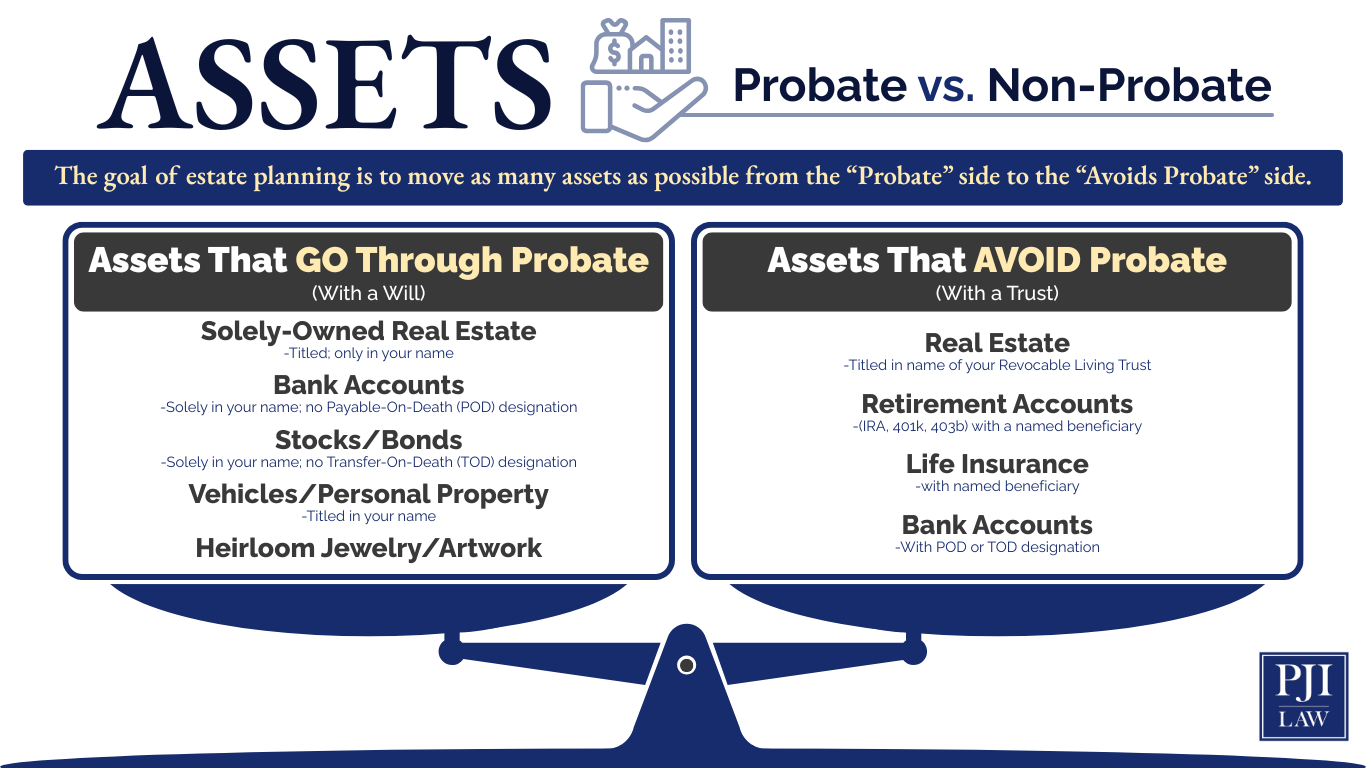
    • Probate vs. non-probate: A will must go through the probate process in the circuit court of the county where the decedent lived. A funded revocable living trust, by contrast, is designed to avoid probate for the trust’s assets, because those assets are no longer titled in your individual name at death.
    • Public record vs. privacy: Once probated, a will generally becomes part of the public record, meaning anyone who knows where to look can see how your estate is distributed. A revocable trust is usually private; the trust document is not routinely filed with the court.
    • Court oversight vs. ongoing management: With a will, the executor (personal representative) works with the Commissioner of Accounts and the court to administer the estate. A successor trustee administers the trust privately, subject to fiduciary duties under Virginia’s trust laws, including the Uniform Trust Code.

    For many more complex estates, a revocable trust offers smoother asset management during life and a clearer roadmap for administration after death.

    Who Should Have a Revocable Trust in Virginia?

    Not everyone in Northern Virginia needs a revocable trust, but for many families the benefits outweigh the cost and effort of creating and funding one. Here are the situations where a revocable living trust often makes sense.

    Homeowners and Residents Concerned About Probate in Fairfax

    If you own real property—a home, rental property, or land—in Fairfax or elsewhere in Northern Virginia, a revocable living trust can simplify the transfer of that property at death.

    Without a trust, real estate typically passes through probate, which involves:

    • Opening an estate in the correct circuit court
    • Qualifying an executor
    • Filing inventories and accountings
    • Following Virginia’s rules and deadlines for estate administration

    Placing your home and other real estate into a revocable trust can help your heirs avoid probate on those assets, reduce administration costs, and make the distribution of your property more straightforward.

    Parents of Minor Children

    Parents of minor children often ask whether a will is enough. A will is essential to nominate guardianship for your children if both parents pass away, but it may not be the best tool for managing the children’s inheritance.

    A revocable living trust lets you:

    • Hold and manage assets for children until they reach the ages you choose.
    • Appoint a trustee to handle investments, pay for education and health care, and support your children’s needs.
    • Provide clear instructions for when and how children will access money so it is not distributed all at once at age 18.

    For Fairfax families with young children, a trust can be an essential part of protecting both the children and your estate assets.

    Individuals With More Complex Estates or Blended Families

    People with complex estates or more complex estates—such as blended families, prior marriages, step-children, or estranged relatives—often benefit from the structure a revocable trust provides.

    Examples:

    • You want to provide income for a current spouse during their life, but ultimately have remaining assets pass to children from a prior relationship.
    • You own a closely held business or significant investment accounts and want to preserve them for certain beneficiaries.
    • You want to make sure that particular family members can access specific property or support over time.

    A revocable trust can:

    • Direct the distribution of assets over many years
    • Reduce opportunities for disputes or litigation
    • Help an appointed trustee follow your wishes even if there are legal challenges or family conflict

    In these situations, a conversation with an estate planning attorney or trusts lawyer in the local Fairfax area is especially important to account for and prepare for each of these considerations properly.

    Those Wanting Privacy and Asset Management in the Event of Incapacity

    A revocable trust is also a powerful asset management tool if you become incapacitated.

    If you suffer a serious illness or injury and are unable to manage your finances:

    • A funded revocable living trust allows your successor trustee to step in and manage the trust’s assets according to your instructions.
    • This can reduce the need for a court-supervised conservatorship under Title 64.2’s guardianship and conservatorship provisions.

    Together with a durable financial power of attorney and health care advance directive, your trust can provide continuity in handling your finances and paying your bills.

    People With Significant Retirement Accounts or Charitable Goals

    If you have large retirement accounts or charitable intentions, a trust may also play a role in your planning:

    • Retirement accounts and trusts: A Virginia trusts attorney can help you decide whether to name your revocable trust as beneficiary of certain accounts or to use other options, always paying attention to federal tax rules and Virginia trust law.
    • Charitable trusts: For clients who want to provide for charitable trusts or donations—either during life or at death—your trust can coordinate with separate charitable remainder trusts or other structures that may offer tax advantages and support your charitable goals.

    These decisions are highly fact-specific, and a trusts lawyer or estate attorney can help you weigh the benefits and cost.

    When a Simple Will May Still Be Enough

    There are certainly situations where a simple will and supporting estate planning documents may be appropriate:

    • You have a modest estate with limited assets
    • You do not own real estate or own it jointly with right of survivorship
    • You have straightforward beneficiary designations on life insurance and retirement accounts
    • You are comfortable with a limited probate process and public filings

    In some cases, an estate planning lawyer may recommend a will-based plan focused on a few clear documents: will, powers of attorney, and advance medical directive.

    Even then, it is important to consult with a lawyer familiar with Virginia state law to decide whether that approach fits your long-term goals, possible life changes, and family dynamics.

    How a Revocable Trust Fits Into Your Overall Estate Plan

    A revocable living trust is just one part of a comprehensive estate plan, which may include several or all of the following:

    • Revocable trust
    • Last will and testament
    • Financial and medical powers of attorney
    • Advance health care directive
    • Beneficiary designations
    • Guardianship provisions for minor children
    • Plans for special needs beneficiaries

    These all work together to protect your family, manage your wealth, and guide the transfer of your estate.

    Your will typically acts as a “pour-over” instrument, directing any remaining probate assets into your trust at death. Your executor works with your trustee so that both the probate estate and the trust’s assets are handled consistently and in accordance with Virginia laws.

    Because laws, tax rules, and family circumstances change over time, it is wise to review your estate plans periodically with an experienced estate planning attorney. New legislation, such as recent updates to Virginia Code Title 64.2 addressing estate planning malpractice, small estates, and trust administration, may affect how your plan works in practice.

    Revocable vs. Irrevocable Trusts in Virginia

    While this article focuses on revocable living trusts, you should understand that many estates also use irrevocable trusts for specific goals:

    • Potential tax planning and long-term wealth transfer
    • Charitable giving through charitable trusts
    • Planning for beneficiaries with special needs
    • Asset protection planning in certain circumstances

    An irrevocable trust generally cannot be changed once created, and often has different income tax treatment. Deciding when to combine a revocable trust with one or more irrevocable trusts is part of building thoughtful estate plans for higher-value or more complex estates in Northern Virginia.

    Working With a Trusts Lawyer at PJI Law in Fairfax, Virginia

    If you are searching for “trust attorney near me” or “trusts attorneys in Northern Virginia” because you are unsure whether a revocable living trust fits your goals, you do not have to figure it out by yourself.

    At PJI Law, an estate planning law firm serving Fairfax and the wider Northern Virginia region, our lawyers offer tailored legal services for individuals and families who want to:

    Our attorneys have experience helping clients with a wide range of trusts needs, from straightforward revocable living trusts to strategies for complex estates and more complex estates. As your trusts lawyer and estate planning attorney, we take the time to explain how Virginia estate planning and probate laws apply to your situation so you can make informed decisions about how to protect your property, assets, and beneficiaries.

    If you are ready to create or update your estate plan, or simply want to talk through whether a revocable trust is right for you, we invite you to reach out.

    Schedule a Consultation With a Fairfax Trust Lawyer Today

    Deciding whether a revocable living trust is right for your estate is an important step in protecting your family and planning for the future. A conversation with a local Fairfax trust lawyer or estate planning attorney can help you decide what structure would be the right approach for you and your loved ones.

    To discuss your options with PJI Law’s attorneys in the Fairfax area and the wider Northern Virginia community, schedule a consultation today by calling (703) 865-6100 or completing our online form. Our firm is ready to provide the guidance and assistance you need to build an estate plan that reflects your values, protects your assets, and supports your goals for the next stage of your life.

    At PJI Law, you’ll receive white glove service and personal attention from a team that treats you like family.

    Copyright © 2025. PJI Law, PLC. All rights reserved.

    The information in this blog post (“post”) is provided for general informational purposes only and may not reflect the current law in your jurisdiction. No information in this post should be construed as legal advice from the individual author or the law firm, nor is it intended to be a substitute for legal counsel on any subject matter. No reader of this post should act or refrain from acting based on any information included in or accessible through this post without seeking the appropriate legal or other professional advice on the particular facts and circumstances at issue from a lawyer licensed in the recipient’s state, country, or other appropriate licensing jurisdiction.

    PJI Law, PLC
    3900 Jermantown Rd, 2nd Floor
    Fairfax, VA 22030
    (703) 865-6100
    https://www.pjilaw.com

  • How to Fund a Trust in Virginia

    How to Fund a Trust in Virginia

     Setting up a trust often starts with good intentions, but life has a way of interrupting the follow-through. Maybe you created a trust years ago during a major life change. Maybe you used an online service because it felt faster. Or you met with a lawyer once, signed the documents, and planned to finish the funding step later — but nothing was ever moved into the trust.

    This is where problems surface. A successor trustee steps in after a death or medical crisis and discovers the house is still titled in an individual name, accounts remain separate, and beneficiary designations never changed. The trust exists on paper, but it’s powerless because nothing was transferred into it. Instead of avoiding probate, the family faces court filings, public records, delays, and responsibilities they were never expecting.

    These situations happen far more often than most Virginians realize, and they are the exact moments that send people searching for how to fund a trust and what that process actually requires. The rules feel technical, and no two families have the same mix of assets. To understand how to prevent these outcomes, it helps to see why unfunded trusts create so many issues under Virginia law.

    The High Cost of an Unfunded Trust

    A trust only functions when it actually owns property. During your lifetime, assets held in the trust allow you to manage everything smoothly as trustee. If you become incapacitated, the person you named to step in can manage those same assets without court involvement. And after your passing, a funded trust keeps property out of probate and follows the instructions you put in place. When assets are never transferred, the trust cannot operate in any of these stages.

    That’s why failing to move property into the trust often leads to avoidable problems, such as:

    • Real estate never moved out of an individual’s name
    • Bank and investment accounts left outside the trust
    • Life insurance policies with outdated beneficiary designations
    • Jointly-owned property that contradicts the trust plan
    • Business interests that were never transferred
    • Out-of-state property left under the wrong jurisdiction

    When these issues are left unresolved, the trust may appear valid, but it cannot function as intended. Assets remain part of the probate estate, and Virginia’s default rules may control how property is distributed. Families often spend months in probate sorting out details the trust was meant to simplify or avoid entirely.

    How to Fund a Trust in Virginia

    What It Means to Fund a Trust

    Funding a trust is the legal step of transferring assets into the trust by retitling or assigning them so the trust becomes the recognized owner. This can include real estate, bank accounts, investment accounts, life insurance proceeds, vehicles, personal belongings, business interests, digital assets, and any property you want your trustee to manage.

    If an asset isn’t retitled, assigned, or connected through a beneficiary designation, it remains outside the trust. That is why funding is a vital step that gives your trust its power. Without it, the trust is simply a document. With it, the trust becomes the structure your family relies on during incapacity or after your passing.

    7 Key Trust Funding Terms Every Virginian Should Know

    1. Grantor

    The individual who creates the trust and contributes property to it. In Virginia, this role is most often called the grantor, though the terms settlor or trustor may also appear in legal documents.

    2. Trustee

    The person or professional entity responsible for managing the trust’s assets, following the grantor’s instructions, and carrying out the trust’s terms during the grantor’s lifetime and after.

    3. Beneficiary

    The person or organization named to receive financial benefits from the trust, such as income, property, or support for specific needs.

    4. Trust Fund

    The assets owned by the trust once it is funded. This includes money, real estate, investments, personal property, and any other items legally transferred into the trust.

    5. Trust Agreement

    The governing document that sets the rules for the trust, identifies the trustee and beneficiaries, and explains how the trust should be managed and when distributions should occur.

    6. Funding the Trust

    The legal step of retitling assets, assigning property, or updating beneficiary designations so the trust becomes the official owner or receives assets at death.

    7. Successor Trustee

    The person you name to take over management of the trust if you become incapacitated or after your passing, making sure the trust continues to operate without court involvement.

    The Benefits of a Properly Funded Trust

    Funding a trust isn’t simply an administrative step. It determines whether the trust works when your family needs it most. A properly funded trust offers several key advantages:

    • Avoids Probate. Assets inside a funded trust pass privately, without court involvement. This reduces delays and keeps your financial details out of public records.
    • Allows for Smoother Trust Administration. A successor trustee can step in immediately and manage the trust’s assets without waiting for court approval.
    • Aligns Property With Your Long-Term Goals. When assets are placed into the trust, they follow the distribution plan you chose, not the default rules of the state.
    • Supports Vulnerable Beneficiaries. A funded trust can manage assets for minors, young adults, or individuals with special needs while protecting eligibility for certain benefits.
    • Protects Beneficiaries From Certain Risks. Although revocable living trusts do not shield your own assets from creditors during your lifetime, they can protect beneficiaries from misuse or mismanagement of inherited funds.

    But none of these protections apply unless the trust is properly funded.

    How to Fund a Revocable Living Trust in Virginia

    How to Fund a Revocable Living Trust in Virginia

    A revocable living trust is one of the most flexible and widely used estate planning tools in Virginia. You stay in control, you can revise the trust as life changes, and you decide what belongs in the trust. Funding typically involves updates to titles, deeds, registrations, or designations.

    Transferring Real Estate Into the Trust

    Real estate is often the largest asset to move. This generally involves preparing and recording a new deed transferring the property to you as trustee of your revocable living trust, filing the deed with the circuit court in the locality where the property is located, and updating homeowners insurance records. Virginia does not impose a transfer tax for moving your own residential property into your revocable living trust, although the deed must still be recorded.

    For married couples, jointly-owned property may require additional planning so the title aligns with whether you have a joint trust or individual trusts.

    Moving Bank and Investment Accounts

    Financial institutions have their own trust funding procedures. You may be asked to provide a certificate of trust (a summarized document allowed under Va. Code § 64.2-804), along with tax identification information and instructions on how the account should be retitled.

    Some clients retitle everyday accounts, while others move only investment accounts. The decision depends on how you want your estate administered.

    Assigning Personal Property

    Personal belongings such as furniture, household items, jewelry, and collections are often transferred through a personal property assignment. Many Virginia trusts include a blanket assignment for efficiency, but separate assignments may be used for high-value items.

    Transferring Non-Retirement Investment Accounts

    Brokerage accounts, mutual funds, and similar non-qualified assets can be retitled in the name of the trust. Some firms directly record the trust as owner; others add transfer-on-death instructions that coordinate with your trust terms.

    Updating Life Insurance and Annuity Beneficiaries

    You may name the trust as the primary or contingent beneficiary depending on your goals. This is especially helpful for minor children, young adults, or beneficiaries who should not have access to funds outright.

    Deciding Whether to Retitle Vehicles

    Virginia permits vehicles to be transferred into a trust. Some people choose to keep them in their own names for convenience, while others transfer them for incapacity planning or business-related reasons.

    Addressing Digital Assets

    Digital assets, such as online accounts, data, content, or stored information, often play a larger role than people realize. Virginia law allows trustees to manage these when the trust or power of attorney includes appropriate authority. Funding includes ensuring your successor trustee can access these accounts should something happen to you.

    When a beneficiary is a minor or financially vulnerable, naming the trust as beneficiary can also strengthen long-term planning.

    Searching online for a “trusts attorney near me”

    How to Fund an Irrevocable Trust in Virginia

    Funding an irrevocable trust requires careful planning because once assets are transferred, the grantor gives up ownership and direct control. In most cases, the terms cannot be changed without court involvement or the consent of all required parties. Irrevocable trusts may be created for tax planning, long-term asset protection, Medicaid planning, or structured financial management for a beneficiary.

    Because irrevocable trusts can affect taxes, creditor protection, and Medicaid eligibility, each transfer must comply with both federal rules and Virginia trust law to avoid unintended consequences.

    Funding Business Interests Into a Trust

    Business owners frequently want their LLC memberships, corporation shares, or family business interests to flow through a trust. Virginia business law generally allows this when the operating agreement or governing documents permit it.

    Funding often involves updating membership certificates, revising the operating agreement to reflect trust ownership, providing notice to business partners or financial institutions, and addressing licensing or regulatory considerations when required.

    This step supports continuity planning and helps to make sure that management transitions smoothly if you become incapacitated or pass away.

    Never Put These Assets Into Your Trust During Your Lifetime

    Using a Pour-Over Will to Support Your Funding Plan

    Nearly every revocable living trust is paired with a pour-over Will. If property remains outside the trust at your passing, the Will directs it into the trust during probate. This is a safeguard, not a replacement for proper funding, because assets that flow through the pour-over Will still must pass through probate. This can reintroduce delays, public records, and administrative steps your trust was designed to reduce.

    Coordinating Your Trust Funding With Other Estate Planning Documents

    Trusts work best when coordinated with your other planning documents. A durable power of attorney, advance medical directives, and your Will all support your trust structure. These documents allow someone you trust to continue transferring assets into the trust if you become incapacitated, keeping your plan on track.

    How Virginia Handles Federal and State-Level Taxes

    Virginia does not impose a state-level estate tax. However, the federal estate tax still applies to estates that exceed the federal threshold. Proper trust funding may support tax planning by controlling how assets pass to beneficiaries, structuring gifts, or using strategies such as irrevocable life insurance trusts when appropriate.

    Large estates may require valuations, trust accounting, and close coordination with tax professionals to comply with federal rules. Charitable giving, long-term stewardship of property, and multigenerational planning may also be incorporated into the trust structure.

    The Timeline for Funding a Trust

    The timeline varies depending on the types of assets involved. Real estate transfers may take days to weeks depending on the locality. Bank and investment accounts depend on each institution’s internal process. Life insurance updates typically take effect once approved by the company. Business ownership transfers depend on corporate documents and regulatory requirements.

    Organized records help make future updates smoother, especially if property is refinanced or new accounts are opened.

    Searching for an estate planning attorney in Fairfax, VA

    Common Mistakes to Avoid

    Attorneys frequently see the same funding-related issues:

    • Homes never transferred into the trust.
    • Jointly-owned assets that do not align with the trust plan.
    • Investment accounts left outside the trust.
    • Refinanced properties removed from the trust and never retitled.
    • Outdated beneficiary designations.
    • Unaddressed digital assets.
    • Trusts not updated after a marriage, divorce, birth, or major life change.
    • Out-of-state property never moved under the correct jurisdiction.

    The most common misconception is assuming that signing the trust agreement transfers property. It does not. Only completed transfers give the trust legal authority. Refinancing is another issue. Many lenders require the home to be deeded out of the trust during refinancing, and homeowners often forget to retitle it afterward.

    Maintaining Your Trust Over Time

    Funding a trust isn’t something you do once and never revisit. As life changes and you open new accounts, purchase property, sell assets, or start a business, new items may need to be added to the trust.

    A short annual review of real estate titles, financial accounts, life insurance beneficiaries, business interests, and newly acquired property can keep the trust fully functioning. Reviewing the trust after major life events such as marriage, divorce, birth, or death keeps your planning aligned with your family’s needs.

    Working With Trust Fund Lawyers in Northern Virginia

    Working With Trust Fund Lawyers in Northern Virginia

    Funding a trust requires coordination across property, accounts, insurance policies, legal documents, and tax law. A Virginia estate planning attorney familiar with trusts, wills, family law intersections, special needs planning, and trust administration can walk you through transfers and point out areas of risk under current Virginia law.

    An experienced attorney will:

    • Review your personal assets.
    • Identify which items belong in the trust.
    • Draft deeds and assignment documents.
    • Coordinate with financial institutions.
    • Support your trustee later if questions arise.

    Virginia estate planning attorneys with experience in probate, business law, and trust administration can help you build a plan that supports your money, your family, and your long-term goals.

    Frequently Asked Questions About Funding a Trust in Virginia

    Q: What happens to out-of-state real estate when I create a Virginia trust?

    A: If you own property outside Virginia, that real estate must be transferred using a deed prepared and recorded in the state or county where the property sits. Each jurisdiction has its own deed, recording, and witnessing rules, which may require help from a local lawyer. Moving out-of-state property into your trust keeps it out of ancillary probate and aligns it with your overall plan.

    Q: Can I use a Transfer-on-Death (TOD) deed instead of putting my home in the trust?

    A: Yes. Virginia allows Transfer-on-Death Deeds. These deeds let real estate pass directly to named beneficiaries without probate. Some people prefer them when they want a simple transfer and do not need the ongoing management or privacy benefits of a trust. However, TOD deeds do not help during incapacity and do not consolidate assets the way a trust can.

    Q: Can I put my IRA, 401(k), or other retirement account into a trust?

    A: No. Federal law prohibits retitling qualified retirement accounts into a trust during your lifetime. Instead, you must update your beneficiary designations with the custodian. You may name the trust as a primary or contingent beneficiary if the trust will manage funds for minors, dependents, or beneficiaries who should not receive the money outright.

    Q: Do I need to transfer my car into my trust?

    A: Virginia allows vehicles to be titled in a trust, but not everyone chooses to make this change. Many keep cars in their own names for convenience, routine registration, and insurance purposes. Others transfer them into the trust to help with incapacity planning or to keep all titled property under one structure. Your attorney can help you decide which option fits your goals.

    Q: Does a trust automatically stay funded once I complete the first round of transfers?

    A: Not always. New accounts, refinanced real estate, updated insurance policies, and newly acquired property may not be titled correctly unless you revisit your trust periodically. A quick annual review of titles, accounts, and beneficiary designations helps keep your trust fully funded and prevents future gaps.

    Put Your Trust to Work With Proper Funding and Planning

    At PJI Law, we know how significant this step can feel when you want to protect the people who matter to you. Funding a trust shapes how your property, money, and personal assets move to your beneficiaries, and it sets the foundation for smoother trust administration in the years ahead.

    Our dedicated team works with clients across Fairfax, VA and Northern Virginia to transfer assets into revocable or irrevocable trusts, address questions about tax law, and coordinate with financial institutions so your plan reflects your goals. We assist clients with deeds, account transfers, business interests, life insurance policies, and documents that support your planning process from start to finish.

    If you’ve been searching online for “trust fund attorney near me” or “trust fund lawyers” who offer personalized service and understand how important this decision feels, our firm is here to guide you. Call PJI Law at (703) 865-6100 or contact us online to schedule your complimentary, confidential consultation with an attorney who focuses on helping families protect their estates and secure a stable future.

    At PJI Law, you’ll receive white glove service and personal attention from a team that treats you like family.

    Copyright © 2025. PJI Law, PLC. All rights reserved.

    The information in this blog post (“post”) is provided for general informational purposes only and may not reflect the current law in your jurisdiction. No information in this post should be construed as legal advice from the individual author or the law firm, nor is it intended to be a substitute for legal counsel on any subject matter. No reader of this post should act or refrain from acting based on any information included in or accessible through this post without seeking the appropriate legal or other professional advice on the particular facts and circumstances at issue from a lawyer licensed in the recipient’s state, country, or other appropriate licensing jurisdiction.

    PJI Law, PLC
    3900 Jermantown Rd., 2nd Floor
    Fairfax, VA 22030
    (703) 865-6100
    https://pjibe.webteam.ai/

  • Who Can Be My Beneficiary? Virginia Estate Planning Attorney Answers

    Who Can Be My Beneficiary? Virginia Estate Planning Attorney Answers

    You’ve spent years building your life, your home, your investments, your business, and perhaps a business. You care deeply about the people you love and the legacy you’ll leave behind. When you start thinking about your estate plan in Virginia, one key question arises: Who can be my beneficiary? The answer shapes how your assets are distributed, how your family is supported, and how your wishes are honored.

    If you live in Northern Virginia or anywhere in Virginia, this blog will explain the process of choosing beneficiaries, explain what to consider, and show how a Virginia estate planning attorney can help you build a customized estate plan that reflects your priorities and long-term goals.

    What “Beneficiary” Means in an Estate Plan

    When it comes to your estate plan and estate planning documents, the term beneficiary plays a central role. A beneficiary is a person (or entity) you designate to receive property, assets, or rights under your will, trust, account, or other instrument at your death or upon another triggering event.

    Here’s what you need to know:

    • Beneficiaries can be individuals (family members, loved ones, friends), or entities (charities, foundations, businesses, or even a limited liability company you own).
    • When you name a beneficiary, you’re giving direction in your estate plan about who gets your assets, who benefits from your wealth after you die, and how you want your financial legacy handled.
    • The designation of a beneficiary often works together with other estate planning tools (wills, trusts, etc.) to avoid probate, achieve significant tax savings, protect future generations, and give effect to your wishes.
    • Under Virginia’s statutes governing wills, trusts, and decedents’ estates, if you don’t name beneficiaries (or your plan lacks sufficient direction), you may default to the intestate succession rules, meaning state law will decide who inherits rather than you.

    With the role of a beneficiary in mind, the next section explores who you can name and the practical details that help those choices align with your overall estate plan.

    Who Can You Appoint as a Beneficiary?

    When creating your estate plan, you have broad latitude to choose who will inherit your assets. Virginia law allows you to name nearly any person or entity, as long as your designations comply with applicable rules and your estate planning documents are properly executed. Below are some of the most common types of beneficiaries to consider:

    Individuals

    • Your spouse
    • Your children, including minor children
    • Other family members such as siblings, nieces, nephews, or cousins
    • Loved ones or friends you wish to include
    • Individuals with special needs who may benefit from a properly structured trust

    Entities

    • Charities or non-profit organizations
    • Foundations you establish
    • Trusts created for children, grandchildren, or other beneficiaries
    • Businesses or limited liability companies you own, where you can designate who will receive your ownership interest or related assets, including any real property connected to those entities

    With your potential beneficiaries identified, the next step is to think carefully about how each person or entity fits into your overall plan.

    A Virginia estate planning attorney answers the question, “Who can be my beneficiary?” Call (703) 865-6100 to schedule a complimentary consultation for assistance with choosing the right beneficiaries for your estate plan.

    What to Think About When Choosing Your Beneficiaries

    A Virginia estate planning attorney answers the question, “Who can be my beneficiary?” Call (703) 865-6100 to schedule a complimentary consultation for assistance with choosing the right beneficiaries for your estate plan.

    Selecting the right beneficiaries takes more than listing names on a document. You’ll want to think carefully about each person’s circumstances, the type of assets they’ll receive, and how those assets will be managed after your lifetime. The considerations below can help you make thoughtful, informed choices that protect both your wishes and your loved ones.

    • Minor children: If you leave money or property to a minor child, you may need to specify who will manage the asset (a guardian or trustee) until the child reaches legal age.
    • Special needs: If a beneficiary has special needs, you might use a special needs trust so the gift does not interfere with government benefits.
    • Multiple beneficiaries: You can leave assets to more than one person or entity, and you might specify percentages or conditional gifts.
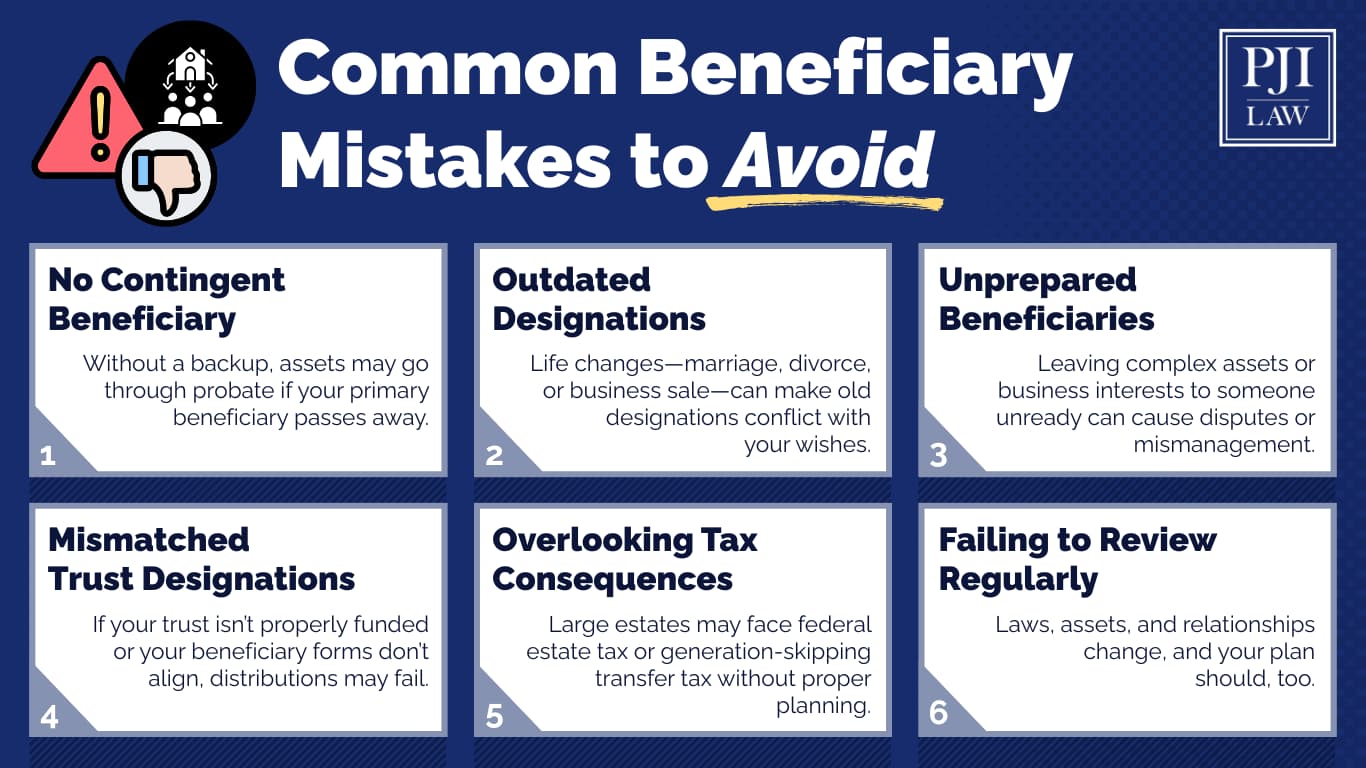
    • Alternate beneficiaries: It is wise to name backups if a beneficiary predeceases you or cannot accept the asset.
    • Contingent beneficiaries: These take effect under specific conditions, such as if your primary beneficiary passes away before you.
    • Business or real property interests: If you leave property or business interests, you may need trust administration, tax planning, or provisions for ownership transition and trustee selection.

    How Your Choice of Beneficiary Fits Into Your Broader Estate Plan

    Naming a beneficiary is just one part of your overall estate plan. Your choices work together with other estate planning tools and legal services that protect your wealth, address legal issues, and provide for your family. Each component of your plan, from the legal documents you create to strategies for avoiding probate, managing taxes, and preparing for your later years, works together to carry out your wishes.

    Creating a Foundation With Estate Planning Documents

    A well-rounded estate plan includes more than naming beneficiaries. It should also cover the documents and directives that govern how your property, finances, and personal decisions are handled:

    • A will (under Virginia Code § 64.2‑401, you may dispose of all or part of your estate)
    • Trusts (for example, for minor children, special needs, business interests)
    • Designated beneficiary forms (for retirement plans, life insurance, payable-on-death assets)
    • Medical directives (advance health care directives) and powers of attorney
    • Business succession documents if you own limited liability companies or other businesses

    Avoiding Probate and Reducing Costs

    Naming beneficiaries and creating trusts can also make the estate administration process easier for your family. By transferring assets directly to your chosen beneficiaries, you may be able to avoid a lengthy probate process. Probate administration in Virginia can be complex, especially for estates with significant assets or business holdings. 

    Using the right strategies can save time and costs for your loved ones. If you die without a valid will, the state’s intestate succession statute will determine who inherits your property.

    Addressing Tax Issues and Maximizing Savings

    Beneficiary designations also play a role in minimizing taxes. While Virginia no longer imposes a state estate tax, federal estate tax may apply to larger estates. Structuring your plan carefully can lead to significant tax savings, protect your assets from unnecessary tax burdens, and preserve wealth for future generations.

    Coordinating Business and Investment Assets

    If you own a business or investment properties, it’s important to align your beneficiary choices with your succession plan. Naming beneficiaries or establishing trusts for business interests helps provide stability, continuity, and financial protection for both your partners and your family.

    Planning for Your Golden Years

    As you approach your later years, your estate planning needs may evolve. You might focus more on how your assets will support you during retirement, how to plan for incapacity, and how to position your beneficiaries to receive property as you intend. An attorney can help coordinate these aspects to create a cohesive strategy for both your life and legacy.

    Because beneficiary choices affect every aspect of your estate plan, it’s important to revisit them periodically and make adjustments as your life changes.

    A Virginia estate planning attorney answers the question, “Who can be my beneficiary?” Call (703) 865-6100 to schedule a complimentary consultation for assistance with choosing the right beneficiaries for your estate plan.

    Reviewing and Managing Beneficiary Designations

    A Virginia estate planning attorney answers the question, “Who can be my beneficiary?” Call (703) 865-6100 to schedule a complimentary consultation for assistance with choosing the right beneficiaries for your estate plan.

    Choosing who will inherit your assets is rarely a one-time decision. Circumstances change over time, and your estate plan should evolve with them. The sections below outline what to review, update, and coordinate as your circumstances and priorities evolve.

    Reviewing and Updating Your Existing Plan

    Even the most well-crafted estate plan needs attention as life unfolds. Major events such as marriage, divorce, births, deaths, business formation or sale, or a move to Virginia may require updates. Reviewing your beneficiary designations regularly helps keep your customized estate plan accurate and aligned with your current intentions.

    Coordinating Beneficiary Forms With Estate Planning Documents

    It’s common for conflicts to arise when the beneficiary listed on a retirement account or life insurance policy doesn’t match what’s stated in your will or trust. In Virginia, those account designations typically override your will for those specific assets. To avoid confusion or unintended results, have your estate planning attorney review each beneficiary form and confirm that everything integrates properly with your overall plan.

    Addressing Incapacity and Management Concerns

    If you become unable to manage your affairs, the people you’ve named and how your assets are structured can greatly impact how your estate functions. A beneficiary who lacks the skills or stability to manage assets may struggle with the responsibility. Naming a trustee, guardian, or contingent beneficiary can provide structure and protection in case of incapacity.

    Planning for Minor Children and Beneficiaries With Special Needs

    When your beneficiaries include minor children, you’ll need to name a legal guardian and consider setting up a trust to hold assets until they reach a specified age. For beneficiaries with special needs, a properly drafted special needs trust can provide long-term financial support without disqualifying them from government benefits. Your estate attorney can prepare these documents and make sure they fit seamlessly within your broader estate plan.

    Managing Business Succession and LLC Interests

    If you own a business or limited liability company, your beneficiary choices may affect ownership transitions. You can name individuals to inherit your interest or create a succession plan that transfers control smoothly to partners or family members. Work with your estate planning attorney to align business agreements and tax planning for a coordinated approach that can prevent disputes down the road.

    Making Future Changes to Your Beneficiaries

    Beneficiary designations aren’t permanent. You can often change them as your life and priorities evolve, but each asset type has its own rules. Whether it’s a life insurance policy, retirement account, or trust, follow the appropriate procedures and keep detailed records of changes. Informing the necessary parties and confirming updates with your attorney helps keep your estate plan consistent and enforceable.

    A Virginia estate planning attorney answers the question, “Who can be my beneficiary?” Call (703) 865-6100 to schedule a complimentary consultation for assistance with choosing the right beneficiaries for your estate plan.

    How a Virginia Estate Planning Attorney Can Help You

    When you consult with a Virginia estate planning attorney, they will:

    • Review your assets, business interests, family structure (including minor children, special needs members, blended families), and investment portfolio
    • Walk through your goals for your future, your wishes for your loved ones, how you want to leave money/property, how you want trustees or executors to act, and how beneficiaries fit into the plan
    • Draft a tailored estate plan using the appropriate legal services: wills, trusts, powers of attorney, medical directives, business succession agreements
    • Coordinate beneficiary designations across all your assets so that the flow of property aligns with your plan, including life insurance, retirement accounts, and business interests
    • Advise on probate process and probate administration, helping you structure the plan to avoid or minimize probate where it makes sense, and prepare your family for how the assets will pass to beneficiaries
    • Address tax issues and work to structure your plan to provide significant tax savings, preserve wealth for future generations, and adjust to federal and state law

    An attorney experienced in estate planning, estate litigation, and trusts in Virginia can make sure your beneficiary designations work as intended, that your estate planning documents are valid under Virginia law, and that your wishes for your assets, business, family, and legacy are fully respected.

    What Steps You Should Take Now for Your Beneficiary Planning

    • Take stock of all assets: property, business interests, investment accounts, retirement accounts, life insurance, and limited liability companies.
    • List who you currently have named as beneficiaries on each account and whether those designations still match your wishes.
    • Consider your family and loved ones: Do you have minor children? Do you have beneficiaries with special needs? Do you have blended family situations? Are there business interests to account for?
    • Evaluate whether your current estate plan is aligned with your beneficiary designations and whether the plan addresses issues like trust administration, probate avoidance, tax issues, business succession, and future generations.
    • If you do not have a plan, or if your current plan has not been reviewed recently or addresses changes in your life, schedule time to work with an estate attorney in the Virginia area to create or update a customized estate plan tailored to your assets, life, family, and beneficiaries.

    A Virginia estate planning attorney answers the question, “Who can be my beneficiary?” Call (703) 865-6100 to schedule a complimentary consultation for assistance with choosing the right beneficiaries for your estate plan.

    Get Trusted Guidance for Your Beneficiary Decisions

    Naming your beneficiaries is one of the most personal steps in your estate plan. It’s not just about distributing money or property. It’s about protecting the people and causes that matter most to you. If you’ve been searching online for “estate planning lawyers near me” who understand how personal this process can feel, PJI Law, PLC is here to guide you.

    At PJI Law, we work with families across Fairfax County and Northern Virginia through every stage of beneficiary planning, from selecting the right individuals or charities to creating estate planning documents that reflect your goals.

    Each lawyer for estate planning on our team takes the time to understand your priorities, explain how Virginia law affects your estate, and build a plan that gives you peace of mind about the future. Whether you want to provide for family members, safeguard a business, or leave a charitable legacy, we’ll help you make those decisions with care and confidence.

    Call PJI Law at (703) 865-6100 or contact us online to schedule your complimentary, confidential estate planning consultation. Together, we’ll create a customized estate plan that protects your assets, supports your loved ones, and carries out your wishes exactly as intended.

    At PJI Law, you’ll receive white glove service and personal attention from a team that treats you like family.

    Copyright © 2025. PJI Law, PLC. All rights reserved.

    The information in this blog post (“post”) is provided for general informational purposes only and may not reflect the current law in your jurisdiction. No information in this post should be construed as legal advice from the individual author or the law firm, nor is it intended to be a substitute for legal counsel on any subject matter. No reader of this post should act or refrain from acting based on any information included in or accessible through this post without seeking the appropriate legal or other professional advice on the particular facts and circumstances at issue from a lawyer licensed in the recipient’s state, country, or other appropriate licensing jurisdiction.

    PJI Law, PLC
    3900 Jermantown Rd, 2nd Floor
    Fairfax, Virginia 22030
    (703) 865-6100
    https://www.pjilaw.com

  • Does a Will Have to Be Recorded in Virginia?

    Does a Will Have to Be Recorded in Virginia?

    When someone tells you, “Your will has to be recorded,” that statement can provoke anxiety: Is it something you neglected? Will you lose control of your legacy? As local lawyers for wills based in Richmond, Virginia, we at PJI Law see these concerns often. The answer is nuanced—and important. In Virginia, a will typically becomes part of the public record only once it is admitted to probate and then recorded by the clerk. But many people wonder: Does a will have to be recorded in Virginia? That depends on factors like whether probate is required, whether real property is involved, how the will is proved, and whether someone wants public notice of devise. 

    These choices can feel overwhelming—especially when family members, minor children, second marriages, or complex assets are involved. Below, as Virginia estate planning attorneys, we will explain how “recording a will” works (and when it’s necessary), how the probate process interacts with recording, and how a wills lawyer can guide you to peace and legal clarity. Then we can guide you regarding your specific needs according to your situation during your consultation.

    Overview of Virginia Wills, Probate, and Recording

    Key Terms and Concepts

    Before diving into the central question, let’s clarify some foundational concepts:

    • Legally valid will: In Virginia, a will must be in writing, signed by the testator (or someone acting at his direction), and witnessed by two competent witnesses (or, in limited cases, wholly handwritten with sufficient proof).
    • Self-proving wills: A common practice is to attach a notarized affidavit (signed by testator and witnesses under oath) so that, at death, the court can accept the will without contacting witnesses.
    • Probate process: Probate is the formal process of proving a will before the circuit court in the decedent’s jurisdiction, qualifying a personal representative (executor or administrator), collecting assets, settling debts/taxes, and distributing the remaining estate.
    • Recording a will: Once admitted to probate, the clerk records the will or an authenticated copy in the clerk’s office (often in a “will book”) so it becomes part of the public record.
    • Devise: In Virginia estate law, a devise is a gift of real property—such as land or a home—made through a will, with the recipient called the devisee. While Virginia Code § 64.2-100 now defines “devise” broadly to include both real and personal property, the term is still commonly used to distinguish gifts of real estate from a bequest, which refers to personal property like money or belongings.

    Thus, a will cannot simply be recorded while the testator lives; it is only recorded as part of probate. That is the crux of the answer to “Does a will have to be recorded in Virginia?” for the majority of practical purposes. The facts of your situation will determine the answer for your specific circumstances.

    Virginia estate planning attorney discusses "Does a will have to be recorded in Virginia?” Call (804) 653-3450 to schedule a consultation.

    The Conditions Affecting When a Will Has to Be Recorded in Virginia

    A will has to be recorded in Virginia only after its admission to probate. The will does not need to be recorded while the testator is alive, nor does every scenario require that recording (for example, when no real property is involved or no public notice is needed beyond the local court). The operative phrase from the statute is “every will or authenticated copy admitted to probate … shall be recorded.”

    Below, we break down circumstances and exceptions to help clarify where the requirement applies and where it might not.

    Scenarios When Recording a Will Is Required

    In Virginia, a will needs to be recorded under the following circumstances:

    • When the decedent owned real property or real estate interests: If the testator owned real property and devised it, the personal representative must make sure that certified copies of the will are recorded in the county or city where such real estate is located. That gives public notice of the devise to third parties (e.g., prospective purchasers).
    • Interests in multiple localities: If real property is located in more than one jurisdiction, the will (or certified copy) must be recorded in each relevant locality to appropriately memorialize the devise.
    • Statutory protection for bona fide purchasers: Recording within one year of death is essential to preserve the devise against bona fide purchasers without notice. If a purchaser acquires land without knowledge of the devise and the will is not recorded in time, the devise may not affect that purchaser’s title. § 64.2-456 addresses this protection.

    Situations Where Recording a Will Is Not (or Less Likely to Be) Required

    The following are exceptions in which it is not necessary to record a will in Virginia:

    • No real property involved: If the decedent only held personal property (bank accounts, stocks, personal possessions, etc.) and nothing required probate beyond perhaps small distributions, the need to record in remote jurisdictions is moot. The will must still be admitted and recorded in the local court, but additional recordings in remote counties may not be necessary.
    • No probate (small or insolvent estates): In certain small estates or estates whose entire assets pass outside probate (e.g., via payable-on-death designations, joint accounts with rights of survivorship, or trusts), the will may never be presented to probate at all. In such cases, there is no admission and thus no recording requirement.
    • Testator dies without a will (intestate): If someone dies intestate (without a valid will), then no will is admitted in the first place, and nothing is recorded as a will. The estate administration proceeds under intestacy statutes.

    Thus, the practical effect is that a will is recorded only when necessary in relation to probate and real property. That means the question “Does a will have to be recorded in Virginia?” is more accurately answered: “It must be recorded after probate, when required by statute, especially if real property is concerned.”

    Virginia estate planning attorney discusses "Does a will have to be recorded in Virginia?” Call (804) 653-3450 to schedule a consultation.

    Associated Difficulties and Real-World Risks If You Do Not Properly Record Your Will in Virginia

    It’s not enough to know whether recording is technically required. Many of the issues people fear, such as family disputes, hidden claims, and defective titles, stem from missteps about whether and where to record.

    The following are some of the common issues we see as local lawyers for wills in Virginia:

    1. Title disputes and clouded real property: If a will is not recorded in the proper county, a purchaser or mortgage lender might not see the devise. Later, heirs or devisees may dispute ownership, leading to costly litigation or demands to reverse transactions.
    2. Delayed distribution to beneficiaries: When probate is contested because the will wasn’t properly proved or recorded, the executor can’t move forward with distributing assets, leaving family members in limbo, especially in second marriage or blended family cases.
    3. Increased legal costs and fiduciary litigation: Fiduciary litigation may arise when heirs accuse the personal representative of failing to record or assert rights. That leads to contested litigation over the validity of the will or accounting.
    4. Confusion among loved ones: Especially when minor children are involved, failure to properly record or publicize the will may lead to uncertainty about guardianships, inheritance rights, or delayed support to children and spouse.
    5. Missed statutory deadlines: The one-year deadline to record a will for protection against bona fide purchasers is absolute under § 64.2-456; missing that window can forfeit a devise.
    6. Multiple jurisdictions and decentralization: If the decedent’s property spans Chesterfield County, Henrico County, Fairfax County, or elsewhere, failing to record in all required localities leaves gaps.
    7. Trusts and revocable living trusts interplay: Some clients believe that placing assets in a revocable living trust entirely removes the need for recording or probate, but real property not transferred into the trust may still require will admission and recording. Coordination is essential.
    8. Changing life circumstances: After divorce, remarriage, or business changes, a will must be updated or revoked. If a legacy devise to a former spouse remains but is not recorded properly in line with current statute, confusion arises.

    These concerns reinforce why clients should work with a local attorney versed in Northern Virginia’s realities. A skilled Virginia estate planning attorney can help you design documents that reduce the need for probate, coordinate multiple jurisdictions, and guide your executor in properly recording wills where needed.

    Q&A: Important Considerations Regarding Recording a Will in Virginia

    Below are frequently asked questions regarding recording a will in Virginia, along with concise answers.

    Q: If I live in Richmond but have property in another county, do I need to record the will there, too?

    Yes. Under Virginia Code § 64.2-455, the personal representative must record a certified copy of the will in any locality where the decedent owned real property or where the will disposes of real estate.

    Failure to do so may prevent devise claims from being enforceable against third parties without notice.

    Q: Can I bring my will to the circuit court and have it recorded now, before my death?

    No. A will must first be admitted to probate before it can be recorded. The clerk’s role to record exists only after the court authenticates the will via probate. Until then, your will remains a private document.

    Q: Must I use a self-proving will to simplify recording?

    While not strictly required, a self-proving will greatly simplifies the probate and recording process. If a will includes a notarial affidavit, the court may admit it without having to locate witnesses to testify. That reduces delays and costs. If the will is not self-proving, one or more witnesses may have to appear or provide a deposition.

    Q: What happens if the will is not recorded within one year of probate?

    Under § 64.2-456, a bona fide purchaser without notice may avoid the devise if the will is not admitted and recorded within one year after death. That means the purchaser may take title free of the devise, leaving the intended beneficiary with no enforceable claim.

    Q: Does the recording requirement apply to trusts or revocable living trusts?

    Not directly. The statutory requirement to record arises only for wills admitted to probate. If assets are entirely within a revocable living trust, the will may not be probated at all. But if you fail to fund the trust with real property and leave residual property under your will, that will still need admission and recording. Be sure to coordinate will and trust together.

    Q: Must I record documents like advance medical directives, a living will, durable power, or health care directives?

    No. Those sensitive documents are typically kept private and do not go through probate or recording in the public record. They operate during life (for incapacity) rather than at death.

    Q: Can someone contest the will during the recording step?

    Yes. Any interested party may appeal the clerk’s probate decision (including admission or denial) within six months of the order. That is part of Virginia’s probate proceedings structure. If contested, the recording could be delayed until resolution.

    Q: What if the will is handwritten (holographic)? Do special recording rules apply?

    Virginia does allow wholly handwritten wills under certain strict proof rules. But even if admitted, they must be recorded like any other will. Proof standards are more demanding (proving handwriting, intent, etc.).

    Q: How do I find a local attorney for wills who understands Northern Virginia’s courts?

    Seek a Virginia estate planning attorney in Richmond or surrounding counties with experience in trusts, estate administration, and probate in Richmond, Arlington, Loudoun, Prince William, Henrico, Chesterfield, and Fairfax. Interview prospective attorneys about their experience in wills, probate procedures, and recording practices. Local lawyers for wills will understand the particular rules and clerk procedures in each jurisdiction.

    Virginia estate planning attorney discusses "Does a will have to be recorded in Virginia?” Call (804) 653-3450 to schedule a consultation.

    When and How Wills Are Recorded in Virginia

    The type of will and other circumstances come into play when determining when and how wills need to be recorded in Richmond, Virginia.

    Statutory Requirement: Virginia Code § 64.2-455

    Virginia law is clear that, once a will is admitted to probate (or an authenticated copy is so admitted), it must be recorded by the clerk of the circuit court and remain in the clerk’s office (except under limited circumstances).

    The statute further provides:

    “Every will or authenticated copy admitted to probate by any circuit court or clerk … shall be recorded by the clerk and remain in the clerk’s office … A certified copy … may be recorded in any county or city wherein there is any estate, real or personal, devised or bequeathed by such will.”

    Further, subsection (B) requires the personal representative to cause a certified copy of the will to be recorded in any locality (county or city) where real property of the decedent is located or is being devised.

    Once recorded, the will (or certified copy) operates as public notice of the devisees’ interest in real property in that jurisdiction.

    So, for estates involving real property, the recording requirement serves as constructive notice to third parties (e.g., potential purchasers) of claims under the will.

    Virginia also protects bona fide purchasers without notice of a devise; unless the will (or certified copy) is admitted to probate and recorded within one year of death, such purchasers may be shielded from certain claims. § 64.2-456 of the Virginia Code addresses this scenario.

    Probate and Recording: The Practical Sequence

    As we explain below, a will in Virginia must be recorded once it is admitted to probate:

    1. Filing the Will for Probate: The person (often the designated executor) presents the original will and death certificate to the circuit court in the jurisdiction where the decedent resided (or where real property is located) to qualify as personal representative and admit the will.
    2. Proof of the Will: The requirements differ by the type of will:
      • For a self-proving will, the attached notarized affidavit suffices, and the court will typically admit it without contacting witnesses.
      • For a will without the self-proving affidavit, one of the witnesses (or both) must often be summoned to testify or give a notarized statement about execution.
      • For purely handwritten (holographic) wills, proof must show that the entire document is in the testator’s handwriting and that the testator intended it as a will, with testimony from at least two disinterested witnesses (unless older statutes apply).
    3. Clerk Admits and Records the Will: Once admitted, the clerk records the will or an authenticated certified copy in the will book of the clerk’s office (i.e., the permanent public record). The recorder indexes it, typically by grantor (testator) name, so anyone searching the deed or will indices may locate it.
    4. Recording Copies Where Real Property Lies: If the decedent held real property in multiple counties or cities, the personal representative must cause certified copies of the will to be recorded in those jurisdictions so that devisees’ interests in local real estate are publicly noted.
    5. Public Notice and Effect: Upon recording, any purchaser or third party is on notice of the devise in that jurisdiction. That serves to protect devisees and prevents later disputes over ownership of real property.

    Thus, by statute, once a will is admitted to probate, it must be recorded — but only after that admission, not before. In other words, a living testator (person yet alive) cannot record their will in the clerk’s office in advance, as the clerk’s authority to record arises only by the act of probate.

    Virginia estate planning attorney discusses "Does a will have to be recorded in Virginia?” Call (804) 653-3450 to schedule a consultation.

    How an Estate Planning Attorney Helps with Recording and Avoiding Problems in Richmond, Virginia

    Working with a Virginia estate planning attorney yields several advantages:

    1. Strategic drafting: A good wills lawyer makes sure your will is legally valid, includes a self-proving affidavit, coordinates properly with trusts, and addresses life changes (e.g., second marriages, divorce, children, minor children, co-owner of real property).
    2. Clerk and circuit court coordination: Local attorneys know the particular rules and deadlines of Richmond, Henrico, Chesterfield, or Fairfax courts. They help to manage the correct submission of the original will, required forms, affidavits, and indexing.
    3. Assisting executors: After your death, your attorney can guide your executor through the probate process, handling proof of wills, recording, preparing inventory and accounting, and liaising with the Commissioner of Accounts.
    4. Multi-jurisdictional property: For clients with real property across counties (or in Richmond, Chesterfield, Henrico), the attorney plans how to record in each needed locality, protecting devise rights across jurisdictions.
    5. Conflict prevention and fiduciary protection: A well-drafted will reduces ambiguity and decreases the risk of future fiduciary litigation. If disputes do arise, the attorney can help defend the estate and represent fiduciaries or beneficiaries.
    6. Probate avoidance strategies: The attorney helps you use trusts, joint ownership, beneficiary designations, and other techniques to reduce the need for probate and minimize public exposure.
    7. Updates over time: As life changes occur (marriage, second marriages, births, divorces, business interests), you’ll need to revise your plan so that your will’s provisions remain aligned with your wishes and the law.

    What Happens in Richmond, Virginia

    To give you a more concrete sense, here’s how the process typically plays out in Richmond, Virginia:

    After death, the named executor contacts a local lawyer and the Richmond Circuit Court Clerk’s Office, submits the original will and a certified death certificate, and applies for probate. The application is made in the city where the decedent resided at the time of death. In this case, it is the City of Richmond. If the decedent lived outside the city but owned real property in Richmond, probate can alternatively be initiated in the jurisdiction where the property lies.

    If the will is self-proving, the clerk or court can usually admit it to probate without requiring witnesses to appear. If it is not self-proving, one or more of the witnesses who signed the will may need to provide an affidavit or appear before the clerk or judge to verify that the will was properly executed.

    Once the will is admitted to probate, the Richmond Circuit Court Clerk records it in the will book maintained in the clerk’s office and indexes it under the testator’s name. This step makes the will a matter of public record, as required by Virginia Code § 64.2-455.

    If the decedent owned real property in other localities—for example, in Henrico County, Chesterfield County, or elsewhere in Virginia–then the executor must secure a certified copy of the recorded will from Richmond and record that copy in each locality where real estate is located. This serves as public notice of the devise and helps protect the interests of the beneficiaries.

    After probate, the executor must complete the next stages of estate administration: preparing and filing an inventory of the estate, notifying heirs and beneficiaries, paying any outstanding debts and taxes, and submitting required accountings to the Commissioner of Accounts assigned by the Richmond Circuit Court. The Commissioner of Accounts reviews and approves each filing to verify that the executor is handling all assets, funds, and distributions appropriately.

    When all debts, taxes, and distributions are finalized, the executor files a final accounting with the Commissioner of Accounts, and the estate is closed.

    The advantage of working with a local attorney for wills familiar with Richmond’s Circuit Court is that they understand the city’s probate appointment procedures, required forms, and communication process with the Commissioner of Accounts. A Richmond wills lawyer helps keep the process organized, timely, and compliant with Virginia’s estate administration laws, including proper recording of wills in the necessary jurisdictions.

    Practical Tips for Clients and Families

    • Always keep the original will in a safe but accessible place (e.g., in the possession of a trusted person or law firm). The probate clerk will not accept copies.
    • Attach a self-proving affidavit at execution to avoid the hassle of locating witnesses later.
    • Inform your executor about the location of the will, your goals, and whether you own property in multiple counties.
    • After the testator’s death, communicate early with an attorney so that the executor can follow proper steps: file for probate in time, record the will, schedule filings to the Commissioner of Accounts, and meet account deadlines.
    • Update your will after major life events (e.g., divorce, second marriages, births) to keep it properly drafted and to avoid unintended consequences.
    • Ask your attorney to map out a recording plan for jurisdictions where you own real estate (Richmond, Henrico, Chesterfield, Fairfax, etc.).
    • Make sure the executor understands the timeline for recording. The one-year statute for protecting devise rights under § 64.2-456 is firm.

    Schedule a Consultation with PJI in Richmond, Virginia

    To sum up the answer to the question of whether a will has to be recorded in Virginia, the answer is yes — but only after it is admitted to probate, and the requirement is most meaningful when real property is involved. A will is not recorded while the testator lives. The statute compels recording by the clerk of any will admitted to probate, and certified copies must be recorded where real estate lies. Failing to record on time can jeopardize the enforceability of devises, especially with bona fide purchasers.

    Because of these technical rules and jurisdictional quirks, working with a local attorney for wills is wise. The attorney makes sure your will is properly drafted, self-proving, coordinated with trusts or powers, and that your executor follows each of the required steps to record in the correct localities. With proper guidance, you reduce the risks of title disputes, fiduciary litigation, and delays in distributing assets to your loved ones.

    If you are in Richmond or Northern Virginia and you want a free consultation to discuss your will, trust, or estate plan, contact PJI Law. Call us at (804) 653-3450 or complete our online form to schedule your consultation today. Our team of local lawyers for wills stands ready to assist you with estate administration, probate questions, recording matters, and long-term planning to protect your legacy and provide peace to your loved ones.

    Copyright © 2025. PJI Law, PLC. All rights reserved.

    The information in this blog post (“post”) is provided for general informational purposes only and may not reflect the current law in your jurisdiction. No information in this post should be construed as legal advice from the individual author or the law firm, nor is it intended to be a substitute for legal counsel on any subject matter. No reader of this post should act or refrain from acting based on any information included in or accessible through this post without seeking the appropriate legal or other professional advice on the particular facts and circumstances at issue from a lawyer licensed in the recipient’s state, country, or other appropriate licensing jurisdiction.

    PJI Law, PLC
    4108 E Parham Rd, 
    Richmond, VA 23228
    (804) 653-3450
    https://pjibe.webteam.ai/

  • 10 Reasons to Have a Trust in Virginia

    10 Reasons to Have a Trust in Virginia

    You’ve probably heard of trusts, but you may have wondered if they’re only for the wealthy or too complicated to be worth the effort. The truth is, trusts are powerful estate planning tools that can protect your family, your property, and your privacy—no matter the size of your estate. Families in Fairfax County and across Northern Virginia often discover that a trust addresses concerns a simple will cannot, such as keeping financial details private, planning for incapacity, and providing structure for children or other beneficiaries.

    In this blog, we’ll share 10 important reasons to have a trust in Virginia and explain the steps you can take to put one in place for the people and property that matter most. 

    1. Reducing Probate Through a Trust

    One of the first concerns many families have is how their property will be handled after death. In Virginia, if you rely only on a will, your estate must go through probate. A will is essentially a set of instructions for the court, and the executor you name must work with the probate court to distribute property. Depending on the size of the estate and whether disputes arise, this process can last years.

    A trust changes the picture. When you transfer property into a revocable living trust during your lifetime, those assets bypass probate completely and are distributed directly to your beneficiaries by your trustee. Families often still use a pour-over will to catch any assets not moved into the trust, but only those “leftover” assets would go through probate.

    This means a trust does not eliminate the need for a will, since only a will can appoint guardians for children. But by funding your trust properly, you can reduce probate to a minimal process and spare your family the delays and costs that come with relying on a will alone.

    2. Protecting Your Family’s Privacy

    Because a will must go through probate, the details of your estate become part of the public record. In Fairfax County and throughout Virginia, that means anyone can look up what property you owned, how much money you left, and who your heirs are. For families and business owners, that level of visibility can feel intrusive and even create risks.

    A trust works differently. Assets transferred into a trust pass directly to your beneficiaries without court involvement, which keeps the process private. Instead of exposing financial details and family arrangements, the trustee distributes property discreetly according to the instructions you created. For many families, this privacy is just as important as the financial benefits of a trust.

    3. Planning for Incapacity

    Life is unpredictable. If you become incapacitated and cannot handle your own affairs, a trust allows your successor trustee to step in immediately and manage your assets. That means bills are paid, property is maintained, and your family has financial stability without interruption.

    Without a trust, your loved ones may have to petition the court to appoint a conservator or guardian to manage your finances. That process is not only time-consuming and costly but can also feel invasive at a moment when your family is already under stress.

    By naming a trustee in advance, you know that decisions about your money, property, and long-term care will be managed according to your instructions, not left to a court’s discretion. For many Virginia families, this peace of mind is one of the most valuable reasons to create a trust.

    4. Providing for Children

    One of the most common reasons Virginia parents create a trust is to protect their children. A trust allows you to decide not only who will benefit but also when and how they access financial support. Instead of leaving a lump sum at age 18, you can direct the trustee to use funds for specific purposes such as education, housing, or medical care.

    This structure prevents young adults from accessing more than they are ready to manage and makes sure that resources are available when they truly need them. A trustee can oversee distributions until your children reach the ages or milestones you believe are appropriate. In this way, your estate provides long-term security without creating unintended problems, and you have confidence that your planning reflects both financial and personal priorities.

    5. Supporting Pets

    For many Virginia families, pets are part of the family. State law recognizes this by allowing you to create a pet trust to provide for their care after your death. Under Virginia Code § 64.2-726, you can set aside money for animals, appoint a caretaker, and give detailed instructions for their well-being.

    This type of trust offers reassurance that pets won’t be left without support or passed between family members who may not be prepared to care for them. Whether you have one dog or several animals, a pet trust gives you a way to provide stability for them long after you’re gone.

    6. Addressing Taxes and Wealth Transfer

    Virginia does not impose a state estate or inheritance tax, which is favorable for many families. However, larger estates may still face federal estate taxes. For 2025, the federal estate and gift tax exemption is $13.99 million per individual (indexed for inflation), with amounts above this taxed at a top rate of 40%. Under the One Big Beautiful Bill Act of 2025, this exemption is now permanent and will increase to $15 million starting January 1, 2026, providing greater certainty for estate planning.

    A trust allows you to structure how wealth is transferred. Instead of passing everything outright, you can stagger distributions, create ongoing management for younger beneficiaries, or shield assets from unnecessary taxation. Business owners in Northern Virginia often use trusts to transfer ownership shares, reduce tax burdens, and keep operations running smoothly without interruption.

    For families focused on building long-term wealth, this level of planning provides stability across generations and protects what you’ve worked hard to build.

    7. Managing Property Across State Lines

    Owning real estate in more than one state can create unexpected challenges for your family. A will must be probated in each state where property is located, which means multiple courts, added legal fees, and delays in distribution. This process, called ancillary probate, can be especially burdensome if you own vacation property or rental homes outside Virginia.

    By placing out-of-state property into a trust, you avoid those additional probate proceedings. The trustee can transfer or manage the property directly, reducing legal costs and streamlining the process for your beneficiaries. For families with property in both Virginia and elsewhere, this is one of the most practical benefits of creating a trust.

    8. Keeping Control of Distribution

    Another powerful reason to create a trust is the control it gives you over how and when your assets are used. With a will, property is typically distributed all at once, which may not fit your long-term goals for your family. A trust lets you set conditions, stagger payments, and shape distributions in a way that reflects your priorities.

    For example, you might direct the trustee to cover educational expenses but delay larger distributions until a child reaches a certain age. A special needs trust can provide ongoing support for a child with disabilities without jeopardizing government benefits. You could also limit access for a loved one struggling with addiction or provide steady support for aging parents.

    This level of control means your estate plan doesn’t just transfer wealth. It provides structure and guidance for the people you care about most.

    9. Handling Legal Issues Efficiently

    When someone passes away with only a will, the court stays involved until the estate is closed. That means delays, added costs, and potential disputes among family members. Trust administration in Virginia provides a different path. By naming a trustee, you give someone the authority to step in right away and manage property without waiting for probate court approval.

    This streamlines the legal process, reduces the chance of conflict among heirs, and keeps the focus on carrying out your instructions. If disputes do arise, Virginia trust law provides mechanisms for resolution while still honoring the terms you created (Virginia Code Title 64.2, Chapter 7). For families, this efficiency means less time in court and more stability during a difficult period.

    10. Creating Peace of Mind for the Future

    Estate planning is not only about property and money. It’s about creating peace of mind for you and stability for the people you love. By putting a trust in place now, you protect your family from future uncertainty and provide clear direction at a time when they may be grieving and overwhelmed.

    A trust reflects your priorities and values. Whether your focus is providing for children, supporting pets, or protecting a family business, a trust allows you to pass on more than wealth. It allows you to pass on security and a sense of care.

    Now that you’ve seen the main reasons families in Virginia choose to create trusts, the question becomes what type of trust best fits your situation and how to set it up.

    What Types of Trusts Can You Create in Virginia?

    Trusts are not one-size-fits-all. Each serves a different purpose, and the right choice depends on your goals, your family’s needs, and the size of your estate. Common trusts used in Virginia include:

    • Revocable Living Trust: Lets you keep control of your assets during your lifetime and adjust terms as circumstances change. After your death, the trust becomes irrevocable and directs how property is distributed.
    • Irrevocable Trust: Locks in the terms once created, which can provide stronger asset protection and potential tax benefits, but cannot be easily changed.
    • Special Needs Trust: Provides long-term support for a child or adult with disabilities without affecting eligibility for government benefits.
    • Pet Trust: This trust allows you to set aside funds and name a caretaker for animals after your death.
    • Charitable Trust: Used to leave money or property to charitable organizations while sometimes providing tax benefits for your estate.
    • Testamentary Trust: Created through a will and activated only after death. Because it is tied to a will, it does not avoid probate but can still provide structure for children or other beneficiaries.

    Understanding the distinctions helps you and your trust and estate planning attorney select the trust that best fits your estate plan. Once the right type is chosen, the next step is creating and funding the trust so it can protect your property and provide for the people and causes you care about most.

    Steps to Create a Trust in Virginia

    Once you understand the types of trusts available, the next step is putting one into place. Creating a trust in Virginia involves several stages, and working with a trusts attorney ensures the process is legally sound and aligned with your goals. The key steps are:

    1. Identify your Goals: Decide what you want to accomplish—whether it’s providing for children, leaving money to a charity, protecting a family business, or caring for pets.
    2. Choose a Trustee: Select a person or institution you trust to manage assets and carry out the terms of the trust.
    3. Draft the Documents: Your attorney prepares the legal documents required under Virginia Code Title 64.2.
    4. Fund the Trust: Retitle property, accounts, and other assets in the name of the trust. This step is critical—without funding, the trust cannot do its job.
    5. Review and Update: Life changes, and so should your trust. Marriage, divorce, new children or grandchildren, or the purchase of property may all require updates.

    Taking these steps turns the idea of a trust into a working part of your estate plan. Once created and properly funded, the trust can manage your assets, reduce probate, and provide security for your family.

    The Role of a Trustee

    Since choosing a trustee is one of the most important steps in creating a trust, it helps to understand exactly what this role involves. In Virginia, trustees carry a fiduciary duty, meaning they must act in the best interests of the beneficiaries and follow the terms of the trust. Their responsibilities may include:

    • Managing property and financial accounts placed in the trust.
    • Paying bills, debts, and taxes.
    • Keeping accurate records of transactions and providing reports to beneficiaries.
    • Distributing money or property according to the instructions you created.

    A reliable trustee can handle responsibilities smoothly, but the wrong choice may create problems such as family conflict, mismanagement of funds, or delays in distribution. Some people prefer to appoint a professional or corporate trustee when estates are large or involve business interests, while others feel confident naming a trusted family member or friend.

    By making this decision carefully, you help protect your estate and keep the focus on carrying out your plan rather than resolving disputes.

    Common Mistakes to Avoid

    Choosing the wrong trustee is one of the most common mistakes people make when setting up a trust, but it’s not the only one. Even a well-drafted trust can fall short if important details are overlooked. Some frequent pitfalls include:

    • Failing to Fund the Trust: A trust only controls the property transferred into it. If assets remain outside, they may still go through probate.
    • Relying on Generic Online Forms: Documents that don’t follow Virginia law may not hold up when your family needs them most.
    • Overlooking Tax and Business Issues: Larger estates or small business interests often require special planning to avoid legal complications.
    • Neglecting Updates: Life events such as marriage, divorce, or the birth of children can make an old trust outdated.

    Avoiding these mistakes strengthens your estate plan and spares your loved ones unnecessary stress. With the right legal guidance, you can create a trust that does exactly what it was designed to do—protect your assets and provide for your family.

    Protect Your Family and Future with a Thoughtfully Crafted Trust

    Creating a trust is about more than signing documents. It’s about protecting your family from probate, safeguarding privacy, providing for children and even pets, and making sure your assets are managed the way you intended. At PJI Law, PLC, we work closely with families in Fairfax County and throughout Northern Virginia to design trusts that reflect your goals, avoid common mistakes, and give you peace of mind for the future.

    When you meet with us, we’ll take the time to understand your estate, your priorities, and the people who matter most. From choosing the right type of trust to funding it properly and selecting a trustee you can rely on, we guide you through every step of the process.

    Call PJI Law at (703) 865-6100 or contact us online to schedule a complimentary, confidential estate planning consultation with an estate planning lawyer. Together, we’ll create a trust that protects your property, provides for your loved ones, and carries out your vision for the future.

    At PJI Law, you’ll receive white glove service and personal attention from a team that treats you like family.

    Copyright © 2025. PJI Law, PLC. All rights reserved.

    The information in this blog post (“post”) is provided for general informational purposes only and may not reflect the current law in your jurisdiction. No information in this post should be construed as legal advice from the individual author or the law firm, nor is it intended to be a substitute for legal counsel on any subject matter. No reader of this post should act or refrain from acting based on any information included in or accessible through this post without seeking the appropriate legal or other professional advice on the particular facts and circumstances at issue from a lawyer licensed in the recipient’s state, country, or other appropriate licensing jurisdiction.

    PJI Law, PLC
    3900 Jermantown Rd, 2nd Floor
    Fairfax, Virginia 22030
    (703) 865-6100
    https://www.pjilaw.com

  • Can You Sell a House in a Revocable Trust in Virginia? What You Need to Know

    Can You Sell a House in a Revocable Trust in Virginia? What You Need to Know

    If you’re asking, “Can you sell a house in a revocable trust in Virginia?” chances are you’re facing a tight timeline, uncertainty over title, liability fears, or disputes among family or beneficiaries. You may worry the house is “locked up” in a trust or that selling will trigger unexpected taxes or legal hurdles.

    You may have already moved real property into a revocable living trust and now want to liquidate it—but are unsure whether the trustee can act, whether beneficiaries must consent, or whether the transaction must be approved by a court. These concerns are common, and in Northern Virginia and Fairfax County in particular, they often arise in estate planning, wealth transitions, and trust administration.

    The short answer is, yes: In many circumstances, a trustee may sell real property held in a revocable trust in Virginia—but the ability to do so depends on the language of the trust, proper titling, statutory powers of trustees, and adherence to fiduciary duties. Below is a detailed guide to help you (or your loved ones) understand how this works under Virginia law, what obstacles may arise, and when you should consult a trust and estate planning attorney at an estate planning law firm in Fairfax.

    Understanding the Basics: Revocable Trusts in Virginia

    A revocable living trust is a trust that the settlor retains the power to amend or revoke during their lifetime. Under Virginia Code § 64.2-751, unless the terms provide otherwise, a revocable trust may be amended or revoked by the settlor.

    In practice, to have legal effect over real property, you must fund the trust. That means retitling assets—including executing a deed to move real property into the name of the trustee of the trust—and then recording that deed in the appropriate county.

    If you never changed the title, the trust may not legally “own” the property, and the settlor remains the legal owner with full authority.

    Once real property is properly in the trust, it becomes part of the trust’s “assets” and is subject to the powers given to the trustee under the trust document and Virginia statute. Assets in a revocable trust bypass the probate process as part of an estate planning strategy, as opposed to efforts to leave money or property to others in the future through simple wills, which are subject to probate. Trust assets can involve a range of overlapping family and business law concerns. We create trusts and use other estate planning instruments to assist clients, taking steps to protect the interests of their families and benefit their businesses while achieving peace of mind.

    Trustee Authority: Legal Power to Sell

    Even when a house is properly held by the trust, the ability to sell hinges on whether the trustee has authority under the trust terms and statutory authority under Virginia law.

    1. Trust Terms

    First, the trust document itself may explicitly grant a power of sale, or require beneficiary consent, or restrict sales under certain conditions. If you are a trustee or beneficiary, carefully review those terms. If the trust is silent, statutory defaults will apply under the Virginia Uniform Trust Code (Title 64.2).

    2. Statutory Powers of Trustee

    Under § 64.2-778 of the Virginia Code, a trustee has a broad suite of powers, including the power to sell assets of the trust as needed to administer it.

    That section states that upon termination—and more generally during administration—a trustee may sell assets to effectuate the purposes of the trust.

    Additionally, trustees have a duty of prudent administration and must act in the best interests of beneficiaries (Uniform Trust Code § 64.2-763, 64.2-764, 64.2-766).

    A sale of property is one form of “management” of trust assets, so long as it is reasonable, in accordance with the trust’s purpose, and not a conflict of interest, a trustee may proceed.

    Because the trust is revocable during the settlor’s life, often the settlor itself is the trustee or retains control over trustee action—so the “sale” is functionally similar to how you’d sell property independent of a trust, but with additional formalities and fiduciary constraints.

    Practical Steps and Potential Hurdles in Fairfax / Northern Virginia
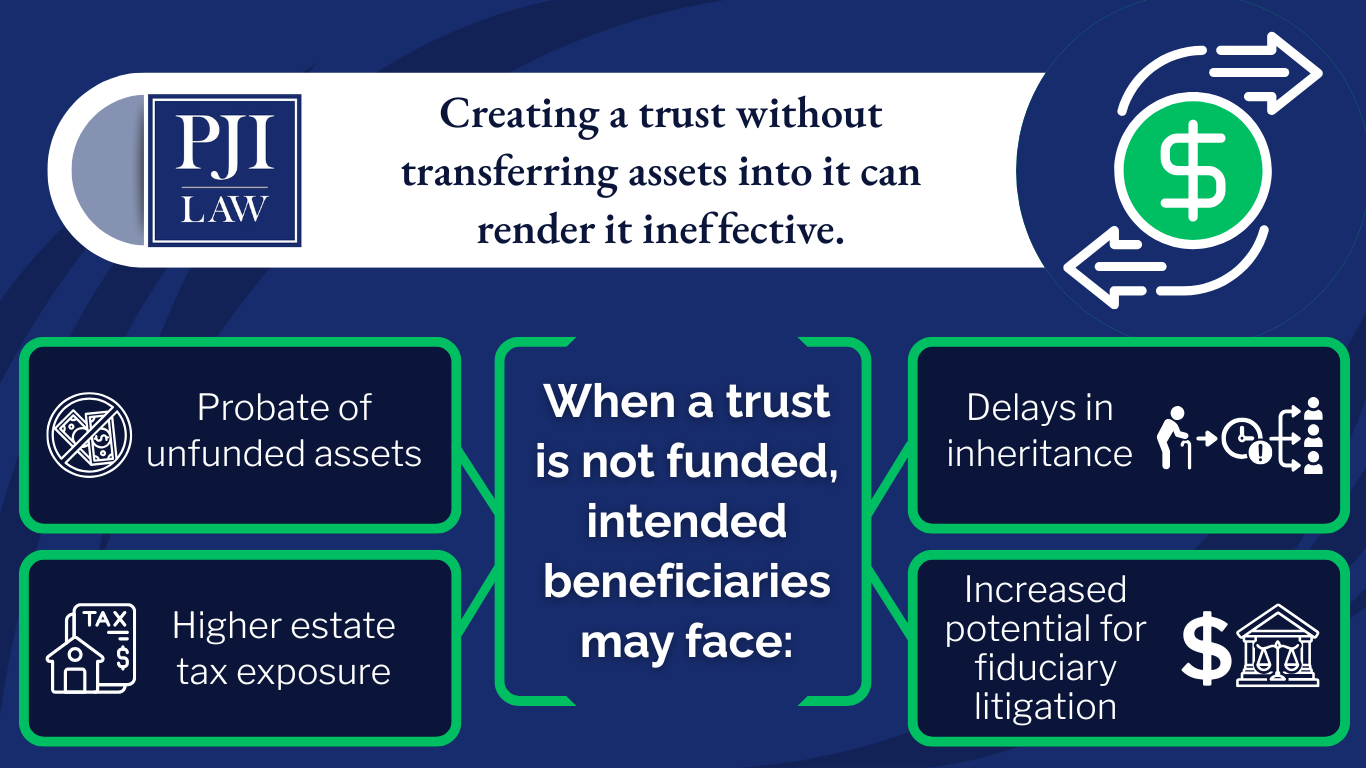
    Let’s break down what typically must be done in Northern Virginia (including Fairfax County) if you wish to sell a house in a revocable trust, and what pitfalls to watch for. Our estate planning lawyers at PJI Law can guide and assist you through each step or consideration as it pertains to your unique situation.

    Title / Deed Considerations

    First, confirm that the deed to the house is in the name of the trustee of the trust, not your personal name. If you never changed the title, you may have to revoke/amend the trust or first transfer the property into the trust before attempting to sell.

    The trustee must sign the deed of sale and any other conveyance documents. In many Virginia cases, a trustee’s deed (rather than a warranty deed) is used to transfer property from a trust to the purchaser or subsequent owner.

    The deed must be recorded in the circuit court land records of the county (e.g., Fairfax County).

    Buyer Confidence / Marketability

    Some buyers or title insurers may raise questions about a trustee’s authority. To prevent issues, it may help to provide an affidavit of trustee authority or resolution by beneficiaries, or an opinion of counsel if needed.

    If your trust is older, its language might not reflect modern statutory language or include enough clarity around sale powers; this can prompt negotiation or delays.

    Taxes, Liens, Mortgages

    If there is an existing mortgage on the property, the trustee must manage it. Often, the lender’s due-on-sale clause will be triggered by transfer to any new owner—but federal law permits transfers into a revocable trust controlled by the same person without affecting the mortgage.

    The trustee must make sure property taxes or assessments are paid before the sale or at settlement.

    If there are liens (e.g., mechanic’s liens), those must be cleared or addressed before conveying a clear title.

    Fiduciary Duty & Beneficiary Interests

    The trustee may not enter into a transaction that benefits them personally or is a conflict of interest, unless the trust allows it or the beneficiaries approve. Section 64.2-764 states that a sale transaction is voidable if there is a conflict of interest not permitted by the trust.

    The trustee must act prudently. So if selling is not prudent (e.g., market conditions unfavorable, better alternative investments), beneficiaries might object.

    In some cases, beneficiaries (if of majority interest and no dissenters) might consent to waive formal accounting or approve the sale, simplifying the process.

    Accounting, Commissions, and Trustee Compensation

    If the trust documents do not specify trustee compensation, Virginia Code § 64.2-761 allows a trustee to accept reasonable compensation under the circumstances. For real property sales, any commission or fees charged must likewise be reasonable, and the trustee must keep records and account for them appropriately.

    In Fairfax County, the Trustee may be required to file inventories and accountings with the Commissioner of Accounts, unless waived by beneficiaries or trust terms.

    When Court Approval May Be Needed

    In some circumstances (e.g., ambiguous trust terms or contested beneficiary claims), it may be safer to petition the court for a construction or confirmation of trustee authority before making the sale.

    If a beneficiary objects or if there’s uncertainty, a Fairfax circuit court hearing may be advisable to avoid later litigation.

    Why This Matters in Northern Virginia

    When clients come to PJI Law in Fairfax, they often bring these pressing concerns:

    • Timing pressures: They may have a buyer lined up, or need to raise cash promptly (for debts, relocating, or care). Delays over title or trustee authority become costly.
    • Family friction: Beneficiaries may contest whether the trustee should sell now or later, or whether the sale terms are fair.
    • Title insurer / lender pushback: A buyer’s title company or bank may demand extra assurances (e.g., opinion letters).
    • Unclear trust drafting: Older trusts may not explicitly empower a sale, leading to ambiguity.
    • Estate tax or capital gains issues: Although Virginia has no state estate tax, federal estate taxes may apply, and capital gains on the sale of a home held in the trust must be considered.
    • Creditor exposure: Because assets in a revocable trust remain subject to the settlor’s creditors while alive (Virginia Code § 64.2-747), there may be claims or encumbrances to reckon with.

    Because of these interlocking legal, transactional, and relational factors, many people err by proceeding without legal guidance—leading to title claims, beneficiary lawsuits, or voided conveyances. Our trust and estate planning lawyers at PJI Law can help you avoid various pitfalls involving these concerns.

    When You Should Consult a Trust Attorney or Estate Attorney in Fairfax

    If you are considering selling a home held in a revocable trust (or preparing a trust that may hold real estate in the future), engaging a qualified trust attorney, estate planning attorney, or estate administration attorney can help you avoid missteps. Such counsel can:

    • Review the trust instrument and guide you regarding whether it validly grants a power of sale
    • Confirm whether the property is properly titled in the trust or if corrective steps are needed
    • Negotiate or prepare transaction documents (deeds, affidavits, certificates) acceptable to lenders and title insurers
    • Help prepare beneficiary consents or court petitions if needed
    • Guide you on tax consequences, timing, and administrative accounting
    • Assist with trust administration or litigation if a beneficiary objects

    In Northern Virginia, where real estate values, multiple heirs, and complex finances are common, the stakes are higher.

    At PJI Law, we focus on high-quality legal services in trust administration, estate planning, wills, probate, and related matters. As a Virginia firm familiar with Fairfax County and Northern Virginia, we routinely help clients plan strategically with real property held in trusts, resolving these legal issues for families.

    What You Need To Remember Regarding Selling a House in a Revocable Trust in Virginia

    An experienced Virginia trusts and estate planning attorney can guide you through the processes and help you avoid the pitfalls associated with selling a house in a revocable living trust.

    In summary:

    1. You generally can sell a house in a revocable trust in Virginia, but only if the trust holds title and the trustee has authority under the trust and statute.
    2. Review the trust document carefully; if it lacks a sale clause or is ambiguous, beneficiary consent or court involvement may be needed.
    3. Make sure the property is properly titled in the trustee’s name via a recorded deed.
    4. The trustee owes fiduciary duties and must act prudently, loyally, and in the best interest of beneficiaries.
    5. Address liens, existing mortgages, taxes, and buyer / title insurer demands.
    6. Keep careful accounting, apply a reasonable commission, and follow Virginia rules for trust compensation and reporting.
    7. When in doubt or if the situation is complex, retain a trust and estate attorney to review your case.

    Schedule Your Consultation with PJI Law Today

    You need to avoid the pitfalls that you may be risking if you sell a house that is in a revocable trust. A Fairfax trust attorney can guide you to avoid costly errors or mistakes.

    Have you been typing “trust attorneys,” “estate planning attorney near me,” or “trust and estate planning attorney” into your search bar?

    If you or a loved one in Fairfax, Northern Virginia, or elsewhere in Virginia are seeking to sell a house in a revocable trust, or if you hold property in trust and wish to transact safely and confidently, we can assist you. An estate planning attorney at PJI Law can help you protect your interests, honor your wishes, and navigate the complexities of trust administration and real estate transactions.

    Contact us today at (703) 865-6100 or complete our online form to schedule a consultation.

    At PJI Law, you’ll receive personalized service and attention!

    Copyright © 2025. PJI Law, PLC. All rights reserved.

    The information in this blog post (“post”) is provided for general informational purposes only and may not reflect the current law in your jurisdiction. No information in this post should be construed as legal advice from the individual author or the law firm, nor is it intended to be a substitute for legal counsel on any subject matter. No reader of this post should act or refrain from acting based on any information included in or accessible through this post without seeking the appropriate legal or other professional advice on the particular facts and circumstances at issue from a lawyer licensed in the recipient’s state, country, or other appropriate licensing jurisdiction.

    PJI Law, PLC
    3900 Jermantown Rd, 2nd Floor
    Fairfax, Virginia 22030
    (703) 865-6100
    https://www.pjilaw.com

  • How To Transfer Property to a Trust in Richmond, Virginia

    How To Transfer Property to a Trust in Richmond, Virginia

    Protecting Your Family and Property Through a Trust

    Many individuals face uncertainty about whether their family members will be burdened with court intervention, unnecessary taxes, or disputes if something happens to them. Others worry about how their property and financial assets will be managed if they become incapacitated. If you’re searching for guidance on how to transfer property to a trust in Richmond, Virginia, chances are you’re concerned about protecting your estate, avoiding lengthy probate proceedings, and making life easier for your loved ones after your passing.

    At PJI Law, our Richmond estate planning lawyers frequently hear these concerns, and we help clients make informed decisions to protect their family’s future through well-structured trusts and related estate planning documents. Below, we explain the legal process in Virginia for transferring property into a trust, why it matters, and the steps you need to take to safeguard your estate.

    Understanding the Purpose of a Trust in Virginia

    A trust is a legal tool that allows you to transfer ownership of your property and assets to be managed by a trustee for the benefit of your chosen beneficiaries. Under Virginia law, trusts can be structured in many ways depending on your goals:

    • Revocable living trust: Allows you to maintain control during your lifetime while providing for smooth transfer of property at death.
    • Irrevocable trust: Can help protect assets from creditors, minimize estate tax exposure, and benefit heirs across generations.
    • Specialized trusts: Such as generation skipping trusts, irrevocable life insurance trusts, or family limited partnerships.

    Each trust type serves different purposes, from tax planning to asset protection, and should be reviewed with a trust and estate planning attorney.

    Why Transfer Property to a Trust?

    Transferring your property into a trust provides several benefits under Virginia probate law:

    • Avoid probate: Property held in a properly funded trust passes directly to beneficiaries, reducing delays and costs.
    • Protect loved ones: A trust can shield your family from unnecessary litigation or fiduciary disputes after death.
    • Maintain privacy: Unlike probate proceedings, trusts are generally private and not part of public court records.
    • Flexibility for family situations: Trusts allow careful planning for second marriages, minor children, and heirs with unique financial needs.
    • Estate tax planning: Certain trust structures may help reduce estate tax exposure in larger estates.

    The Legal Process of Transferring Property to a Trust in Richmond, Virginia

    Once you have worked with your attorney to create a trust, the next step is properly transferring your property and other assets into it. This process, sometimes referred to as “funding the trust,” is essential for the trust to work as intended.

    1. Identify the Assets to Transfer

    Your estate may include:

    • Real property (homes, rental properties, land)
    • Financial assets (bank accounts, investments, retirement accounts)
    • Business interests (limited liability companies or family limited partnerships)
    • Life insurance policies
    • Personal property with significant value

    2. Retitle Property in the Name of the Trust

    In Virginia, property deeds must be formally recorded to reflect the trust as the new owner. This requires preparing and filing a new deed with the local circuit court in Richmond or the county where the property is located.

    3. Work with Financial Institutions

    Banks and investment firms often require specific forms or documentation to retitle accounts in the name of the trust. The trust attorneys at PJI Law can assist in communicating with these institutions.

    4. Update Beneficiary Designations

    Certain assets, such as retirement accounts and life insurance, pass through beneficiary designations. Updating these to align with the trust’s terms is a key part of comprehensive estate planning.

    5. Review and Maintain Your Trust

    Over time, your assets and family circumstances may change. It is important to regularly review your estate planning documents and update them as needed to reflect your current wishes.

    The Role of Trustees and Beneficiaries

    When you transfer property to a trust, the trustee takes on fiduciary responsibilities to manage the assets according to the trust’s terms. Beneficiaries receive the benefit of those assets as directed. In Virginia, trustees must follow the trust document carefully and may be subject to fiduciary litigation if they breach their duties.

    Beneficiaries, on the other hand, have rights under probate law and trust and estate law to hold the trustee accountable. Working with an experienced trust and estate planning attorney helps prevent trust and estate disputes.

    Other Considerations in Estate Planning

    At PJI Law, we recognize that transferring property to a trust is just one part of a comprehensive estate plan. Additional considerations may include:

    By addressing these areas together, you can protect both your family and your estate.

    Avoiding Common Pitfalls

    One of the biggest mistakes clients make is creating a trust but failing to transfer property and assets into it. Without funding, a trust cannot help avoid probate or protect beneficiaries. 

    Another common issue arises when individuals fail to regularly review their estate planning documents, especially after major life events such as marriage, divorce, second marriages, or the birth of children or grandchildren.

    A Richmond law firm experienced in estate planning can help you avoid these pitfalls by guiding you through the funding process and long-term trust administration.

    Funding Real Property into a Trust

    One of the most common and important steps in Virginia estate planning is transferring real estate into a trust. This includes your primary residence, vacation property, or rental real estate. If you transfer real property into a revocable living trust, you maintain control during your lifetime while making the transfer of ownership upon your death smoother and keeping it outside of probate.

    • If you do not fund the trust: The property will likely pass through probate, which can create unnecessary delays and costs for your beneficiaries.
    • If you do fund the trust: The trustee can transfer ownership directly to the beneficiaries without court intervention, preserving privacy and streamlining the process.

    Recording the deed in the name of the trust with the appropriate circuit court in Richmond or the locality where the property is located is an essential step for the transfer to be effective.

    Bank Accounts and Investment Accounts

    Bank accounts and non-retirement investment accounts can also be funded into a trust. Financial institutions may require documentation before retitling the accounts.

    • If left outside the trust: These accounts may be subject to probate, unless they have payable-on-death designations, which might not align with your overall estate plan.
    • If transferred into the trust: The trustee gains authority to manage them for your benefit during your lifetime and for your beneficiaries after death, keeping the process private and often more efficient.

    Retirement Accounts and Beneficiary Designations

    Retirement accounts, such as IRAs and 401(k)s, are treated differently. These accounts usually transfer directly to named beneficiaries. However, trusts may be designated as beneficiaries in certain cases where you want more control over how distributions are made.

    • If you name individuals directly: Funds go to the beneficiaries, but without additional protections.
    • If you name a trust as beneficiary: You may direct distributions over time, protect beneficiaries with financial challenges, or coordinate with second marriages.

    Failure to align your retirement account designations with your estate planning documents can cause conflicts and unintended distributions.

    Life Insurance and Irrevocable Life Insurance Trusts

    Life insurance proceeds can be significant. Many clients create irrevocable life insurance trusts to remove life insurance from their taxable estate while still providing for loved ones.

    • Without a trust: Life insurance proceeds may increase the size of your estate for estate tax purposes.
    • With a trust: The proceeds can be used to provide liquidity for estate administration, to cover taxes, or to benefit beneficiaries in a controlled way.

    Business Interests

    For clients who own closely held businesses, including limited liability companies or family limited partnerships, transferring ownership interests into a trust is an important part of business succession planning.

    • If left outside the trust: Business interests may be tied up in probate proceedings, causing disruption and uncertainty.
    • If placed into the trust: The trustee may manage or distribute the interests according to your plan, supporting continuity and protecting your family’s financial affairs.

    Personal Property and Other Assets

    Personal assets with substantial value, such as jewelry, art, or collectibles, can also be transferred into a trust. Vehicles may also be transferred, though in some cases, clients prefer to use transfer-on-death registrations.

    • If these assets are omitted from the trust: They may still pass through probate, which can create complications and potential disputes.
    • If these assets are included in the trust: They can be distributed smoothly according to the trust’s terms.

    The Consequences of an Unfunded Trust

    One of the most common and avoidable mistakes in estate planning is failing to fund a trust. In Virginia, creating a trust without transferring assets into it can render it ineffective.

    When a trust is not funded, intended beneficiaries may face:

    • Probate of unfunded assets
    • Delays in inheritance
    • Higher estate tax exposure
    • Increased potential for fiduciary litigation

    On the other hand, once you fund the trust, you give the trustee the legal authority to manage the assets for your benefit during your lifetime and according to your wishes upon your death. This not only protects your heirs but also reduces the likelihood of trust and estate disputes.

    Implications of Placing Assets into Trusts

    When assets are placed into a trust:

    • Control: In a revocable living trust, you retain control of assets while alive.
    • Protection: In an irrevocable trust, assets are no longer under your direct control, but they may be shielded from creditors and excluded from estate tax calculations.
    • Privacy: Trusts keep your financial affairs private compared to public probate proceedings.
    • Beneficiary protection: You can structure distributions to protect beneficiaries who may be young, financially inexperienced, or going through second marriages.

    Take the Next Steps to Protect Your Legacy with PJI Law in Richmond, Virginia

    Understanding how to transfer property to a trust in Richmond, Virginia, is a significant step toward protecting your estate, your loved ones, and your family’s future. At PJI Law, we serve clients throughout Richmond, Virginia, and Northern Virginia with thoughtful estate planning solutions tailored to their needs. If you were searching for “trust attorney near me” in Richmond, we are here to guide you. Whether you are considering a revocable living trust, an irrevocable trust, or you need assistance with trust administration, our attorneys are here to assist you in planning for your estate and protecting your beneficiaries.

    At PJI Law, we help our clients create tailored estate planning solutions to meet the unique needs of their families. Our practice areas include wills, trusts, trust administration, probate administration for an executor/personal representative tasked with estate administration, and much more.

    Contact us at (804) 653-3450 or complete our online form to schedule a consultation. Together, we’ll protect your loved one’s future and provide the support they need to thrive.

    Copyright © 2025. PJI Law, PLC. All rights reserved.

    The information in this blog post (“post”) is provided for general informational purposes only and may not reflect the current law in your jurisdiction. No information in this post should be construed as legal advice from the individual author or the law firm, nor is it intended to be a substitute for legal counsel on any subject matter. No reader of this post should act or refrain from acting based on any information included in or accessible through this post without seeking the appropriate legal or other professional advice on the particular facts and circumstances at issue from a lawyer licensed in the recipient’s state, country, or other appropriate licensing jurisdiction.

    PJI Law, PLC
    4108 E Parham Rd, 
    Richmond, VA 23228
    (804) 653-3450
    https://www.pjilaw.com/

  • What is a Virginia Special Needs Trust?

    What is a Virginia Special Needs Trust?

    Estate planning helps preserve your assets and protects your loved ones after you pass away. However, when aging loved ones or other family members have special needs, designing the right plan for their future well-being becomes even more urgent.

    One of the most effective tools for individuals for this purpose is a Virginia special needs trust (SNT), which protects a disabled individual’s financial future without jeopardizing their eligibility for public benefits, like Supplemental Security Income (SSI) and Medicaid.

    This comprehensive blog explains the essentials of a Special Needs Trust, its unique benefits, and how it operates in Virginia. Whether you’re a parent of a child with a disability or a family member planning for a loved one’s care, we’ll clarify the purpose of these trusts and answer common questions about other trusts in Virginia.

    What is an SNT?

    An SNT, or Special Needs Trust, specifically supports individuals with disabilities. Its main purpose is to hold and manage assets for the person’s benefit while keeping them eligible for federal and state assistance programs. Without proper planning, inheriting assets could inadvertently disqualify your loved one from accessing the public benefits they rely on for medical care and living expenses.

    This type of trust prevents this problem by separating the assets from the person’s direct ownership. A trustee manages the funds in the trust and uses them to cover expenses that improve the beneficiary’s quality of life, which could include costs for caregivers, education, therapies, or even recreational activities—expenses that public benefits don’t cover.

    An Estate Planning Attorney Explains the Benefits of an SNT

    1. Maintains Eligibility for Public Benefits
      Public assistance programs, such as Medicaid and SSI, have strict income and asset limits. An SNT prevents funds meant for the beneficiary from counting toward these limits, allowing continued access to such benefits.
    2. Enhanced Quality of Life
      The assets held in an SNT can be used for services or items that improve the beneficiary’s living conditions. For example, funds can cover educational programs, healthcare not provided by Medicaid, transportation, or technology such as assistive devices.
    3. Protection from Creditors
      Because the assets belong to the trust rather than the individual, they’re protected from claims made by creditors or liability settlements.
    4. Long-Term Estate Planning
      These trusts provide continuity and financial security beyond the lifetime of a caregiver or parent, relieving families’ concerns about the future.
    5. Tailored Support
      You can customize SNTs to meet your unique needs and specifically outline the use and distribution of funds. 
    6. Privacy
      Assets held in an SNT do not go through probate, keeping financial and personal matters private.

    Creating an SNT in Richmond, Virginia

    Establishing a Special Needs Trust involves careful planning and legal guidance from knowledgeable and experienced attorneys.

    1. Determine Trust Goals

    Start by evaluating your intentions. Are you trying to safeguard eligibility for public benefits, protect assets, or create a reserve fund for specific needs? Clear goals will help your attorneys structure the trust appropriately.

    2. Choose a Trustee

    The trustee holds significant responsibility, as they’ll manage the funds and distribute the funds properly, according to the trust’s terms. Trustees can be family members, independent professionals, or financial institutions with extensive knowledge in trust administration.

    3. Draft the Trust Document

    A trust document outlines the terms of the trust, including how to distribute funds and what expenses the trust allows. This legal document should comply with state and federal regulations, especially concerning public benefits programs.

    4. Fund the Trust

    Once established, the trust creator must transfer assets into it, such as cash, investments, property, or life insurance policies.

    5. Maintain Compliance and Oversight

    Trustees must align distributions with the trust’s terms and prevent funds from inadvertently disqualifying the beneficiary from receiving public benefits. Detailed record-keeping and regular reviews assist in this process.

    6. Work with an Experienced Attorney

    Guidance from a Virginia estate planning attorney serves to make sure the SNT complies with state and federal laws. An attorney can also offer advice tailored to your family’s unique needs.

    Frequently Asked Questions About SNTs and Other Trusts in Virginia

    What expenses can an SNT cover?

    The funds in an SNT can cover a variety of expenses that enhance the beneficiary’s quality of life, including medical care, therapy, educational programs, transportation, and recreational activities. However, as a lawyer will advise, the trustee must obey the rules associated with public benefits.

    Can an SNT own property on behalf of the beneficiary?

    An SNT can own property such as a home or a vehicle. However, properties owned by the trust should be for the beneficiary’s use and aligned with the trust’s goals.

    How does an SNT differ from other types of trusts?

    While many trusts focus on minimizing taxes, protecting assets, or avoiding probate, an SNT specifically preserves eligibility for public assistance programs while providing supplemental support.

    What is the role of a trustee in managing an SNT?

    The trustee manages the trust assets and distributes funds according to the trust’s terms. It requires a strong understanding of financial management and public benefits regulations. Trustees must act in the beneficiary’s best interests and keep accurate records.

    Can an SNT be altered or revoked?

    The ability to revoke or modify an SNT depends on the type of trust. Generally, third-party special needs trusts can be more flexible, while first-party trusts may have stricter rules. Consulting an attorney can clarify the options available.

    Are there tax implications for an SNT?

    Taxation depends on the trust type and distribution methods. Typically, the trust’s income is taxed at trust rates unless specifically distributed to the beneficiary. Consulting a lawyer is advisable for proper planning.

    Secure Your Loved One’s Future with PJI Law in Richmond, Virginia

    SNTs provide peace of mind and procure the ongoing care of loved ones with disabilities. However, creating one involves thoughtful consideration of multiple legal, financial, and personal factors. Collaborating with an experienced Virginia estate planning attorney, like the team at PJI Law, structures the SNT correctly so it can serve its intended purpose.

    At PJI Law, we help our clients create tailored estate planning solutions, including SNTs, to meet the unique needs of their families. Our practice areas include wills, trusts, trust administration, probate administration for an executor/personal representative tasked with estate administration, and much more.

    Contact us at (804) 653-3450 or complete our online form to schedule a consultation. Together, we’ll protect your loved one’s future and provide the support they need to thrive.

    Copyright © 2025. PJI Law, PLC. All rights reserved.

    The information in this blog post (“post”) is provided for general informational purposes only and may not reflect the current law in your jurisdiction. No information in this post should be construed as legal advice from the individual author or the law firm, nor is it intended to be a substitute for legal counsel on any subject matter. No reader of this post should act or refrain from acting based on any information included in or accessible through this post without seeking the appropriate legal or other professional advice on the particular facts and circumstances at issue from a lawyer licensed in the recipient’s state, country, or other appropriate licensing jurisdiction.

    PJI Law, PLC
    4108 E Parham Rd, 
    Richmond, VA 23228
    (804) 653-3450
    https://www.pjilaw.com/